If you’re eyeing a career in laser tattoo removal—or just keen to add another string to your beauty bow—it’s tempting to go the online route. Flexible, affordable, quick. But here’s the million-dollar question: Are online laser tattoo removal courses really enough to get you job-ready, or even safe to practice?
At Cosmetic Tattoo Studio Melbourne, we’ve helped dozens of aspiring techs move from theory to confident, qualified practice with hands-on experience that sticks. We’ll walk you through what Tattoo Removal Training really involves—no fluff, no hype.
Tattoo removal courses are increasingly popular, but not all are created equal, especially when it comes to ensuring client safety and building real confidence with laser tools.
What Laser Tattoo Removal Involves
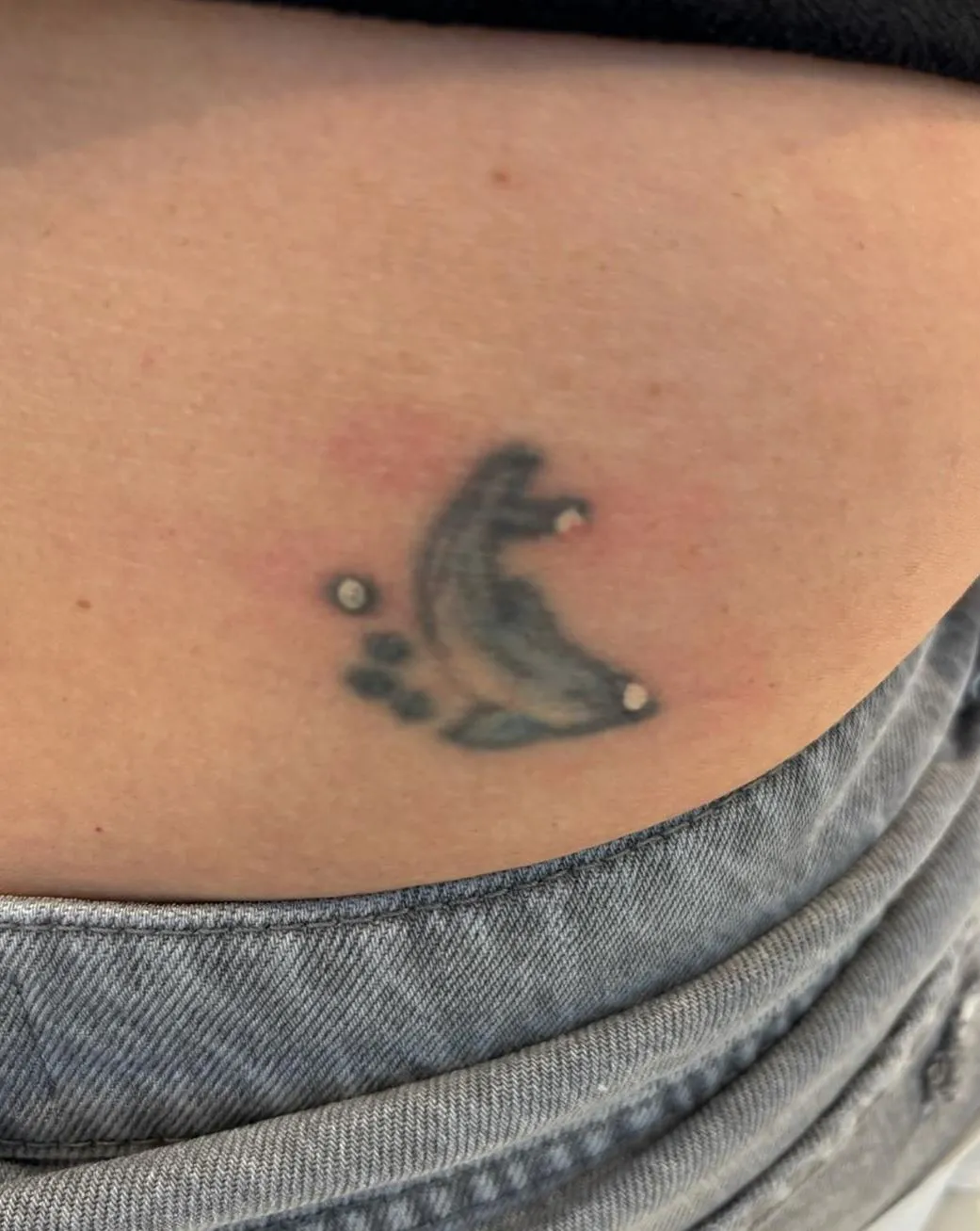
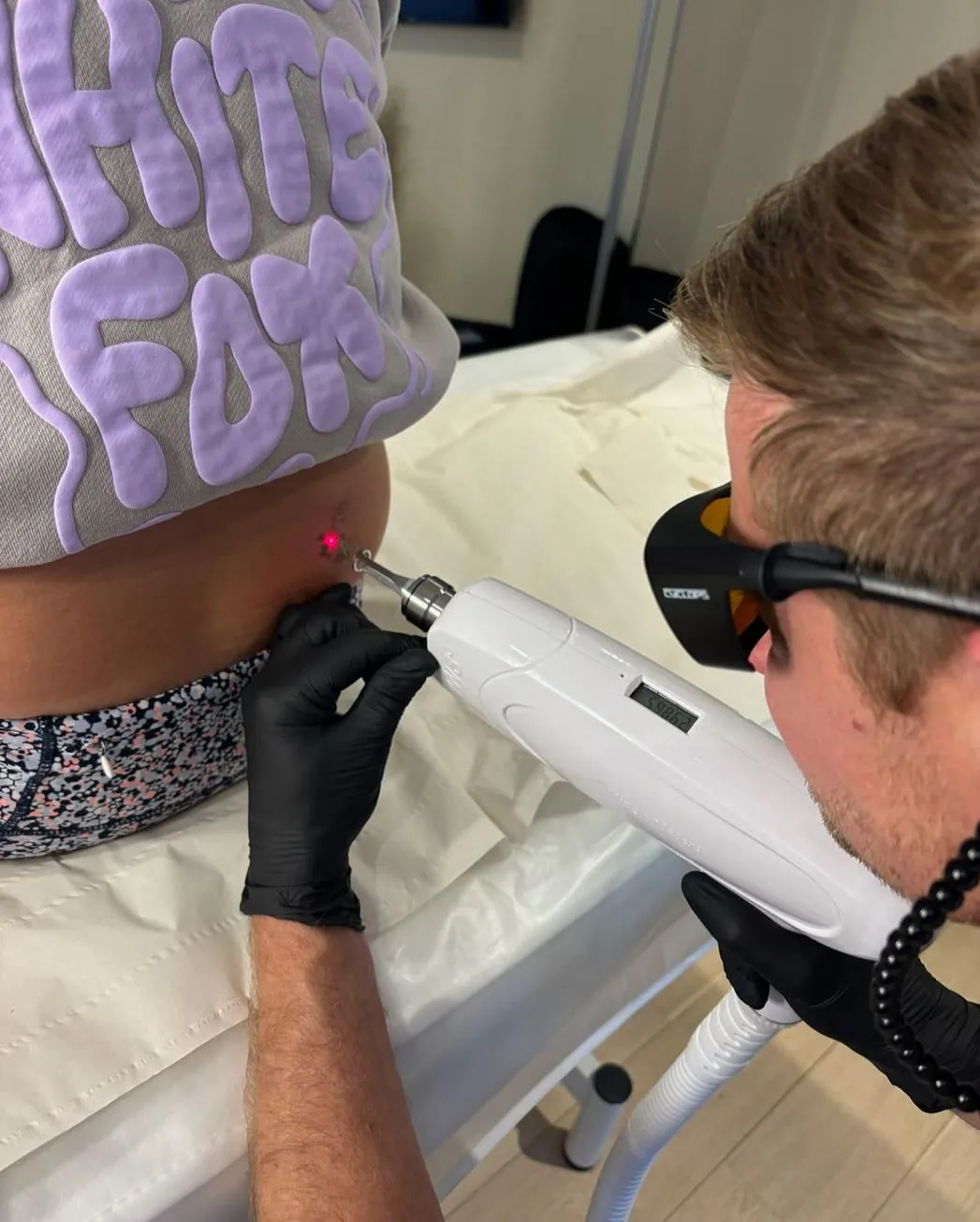
Laser tattoo removal isn’t a “set and forget” service. It’s technical, skin-responsive, and legally regulated. Whether you’re working with Q-switched lasers or other cosmetic lasers, there’s a lot to know beyond firing light at pigment:
- Skin analysis: Not every skin type reacts the same. Fitzpatrick matters. Understanding layers of skin and skin rejuvenation response is crucial.
- Tattoo assessment: Tattoo ink, tattoo types, depth, colour, age, and location affect settings.
- Laser parameters: Light physics, pulse duration, spot size, fluence—it’s more than pressing a button.
- Client safety: Lasers = radiation. Misuse = risk. Period. A laser safety officer’s role is vital.
- Contraindications & complications: Think cold sores, keloids, or post-inflammatory hyperpigmentation—plus post-treatment care planning.
It’s also a hands-on process. You’ll be managing skin reactions in real time, like frosting, pinpoint bleeding, oedema, and scabbing.
“We had a client come in with severe blistering after a DIY home device she bought online. The scar it left will take months to fade—if it fades at all.”
Online Courses: The Pros and Cons
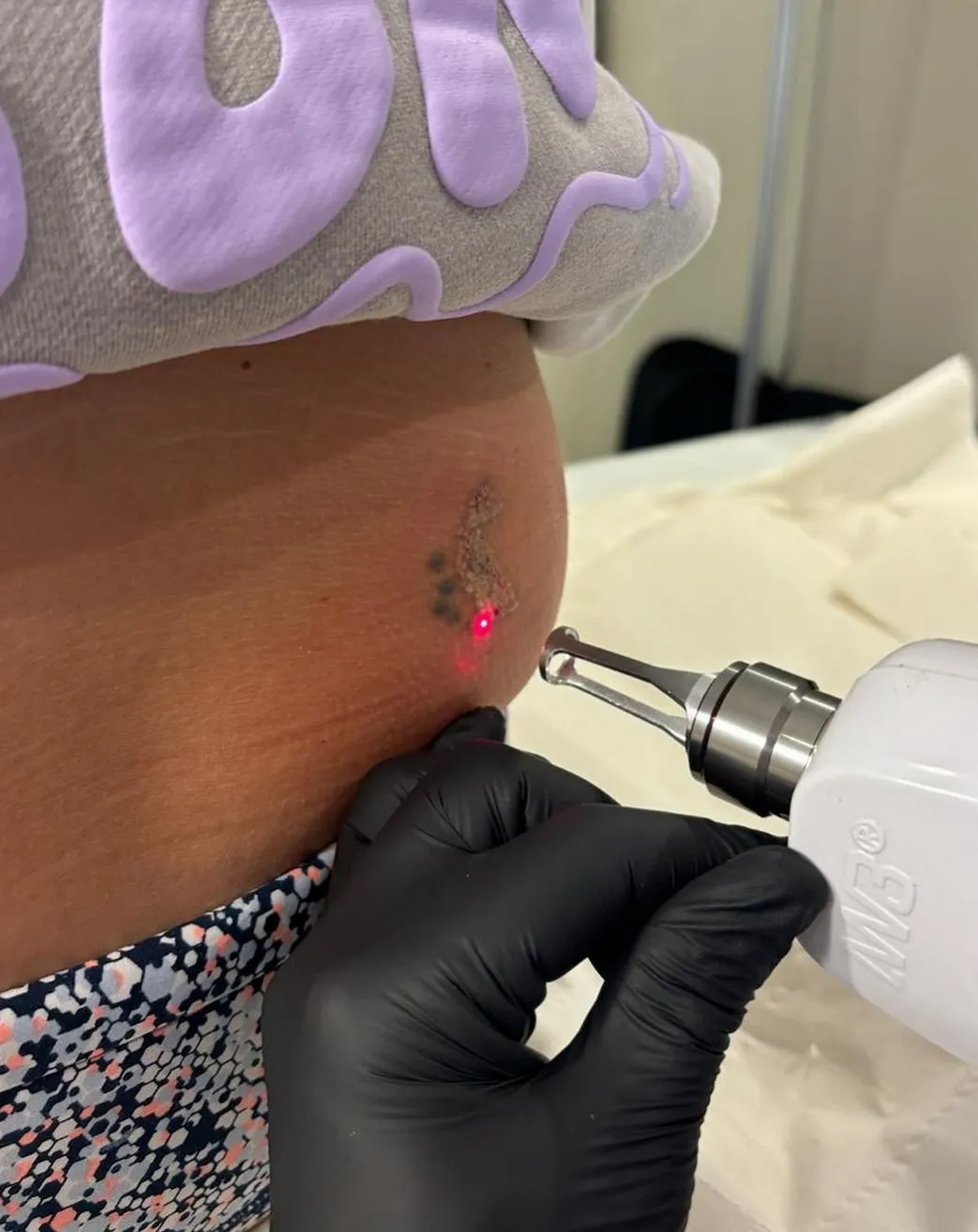
Pros of online learning:
- Learn at your own pace
- Affordable pricing and flexible payment options
- Great for theory revision
- Easy to combine with other commitments
But here’s what most online-only courses don’t offer:
- Hands-on experience with real skin
- Practical training in a real clinic environment
- Supervised practical assessments
- Laser safety training recognised by Queensland Radiation Health
- Mentorship and ongoing support from experienced professionals
| Feature | Online Only Course | In-Person or Blended Training |
|---|---|---|
| Theory Modules | Yes | Yes |
| Practical Skin Work | No | Yes |
| Recognised Laser Safety Cert | Varies | Yes |
| Industry Supervision | No | Yes |
| Access to Real Laser Devices | No | Yes |
2025 Trend Insight: According to a recent Beauty Industry Skills Survey (Australia), 71% of employers hiring for laser roles preferred candidates with in-person practical training or clinical placement.
What Employers Really Want
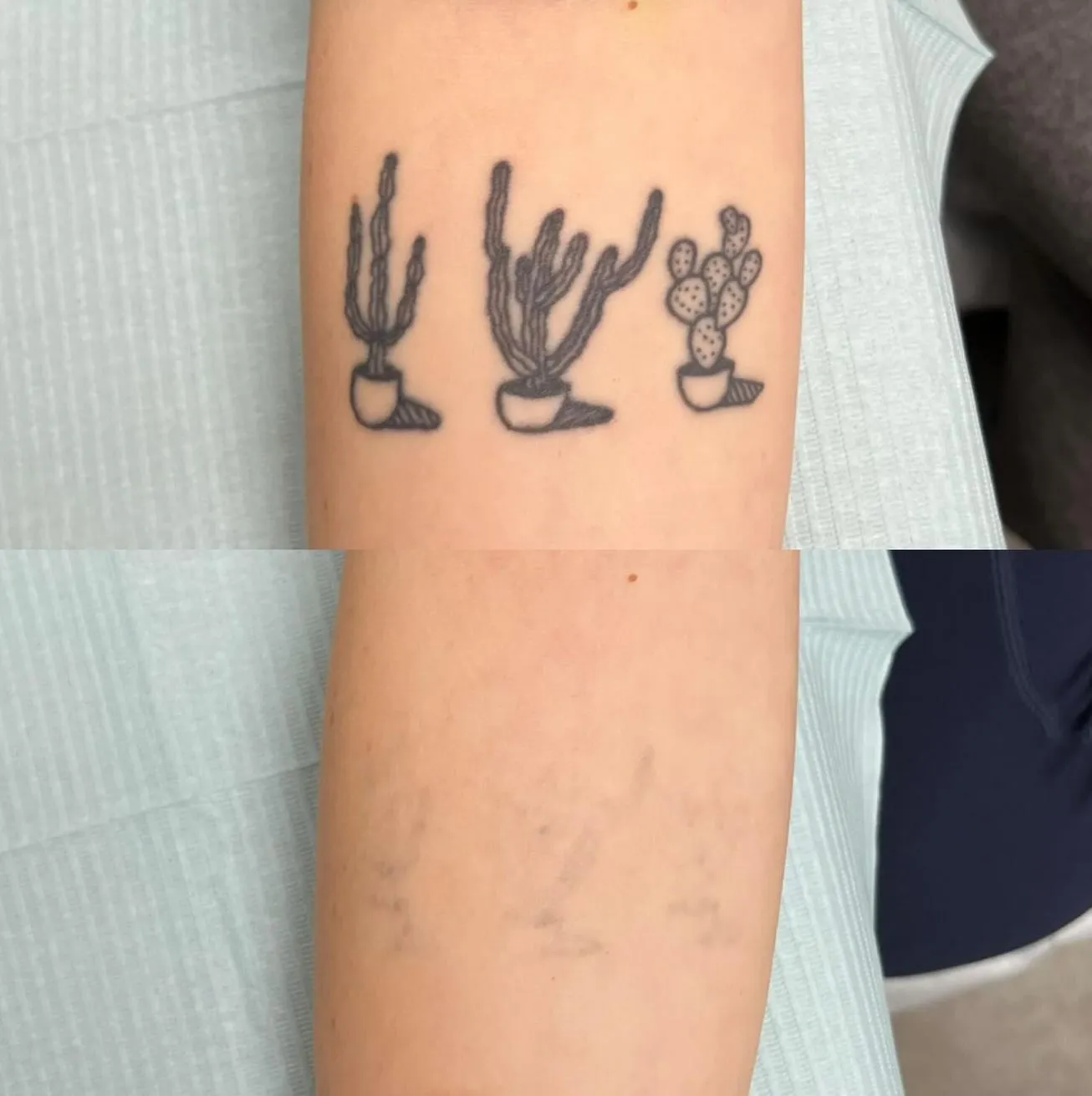
When we hire at our own Melbourne studio, we don’t just glance at a certificate. We ask:
- Have you worked on actual tattoo types and unwanted tattoos?
- Can you safely manage a laser device and complete laser tattoo removal procedures?
- Do you understand the skin’s healing timeline and appropriate aftercare procedures?
- What would you do if a client blisters or panics mid-session?
- Do you know the difference between frosting and a burn?
If your online course can’t prepare you for these, it’s a red flag.
“One candidate had a shiny certificate from an online-only course but couldn’t explain how to prep skin for a laser pass. We couldn’t put our clients at additional risk.”
Do the Laws Require Hands-On Training?
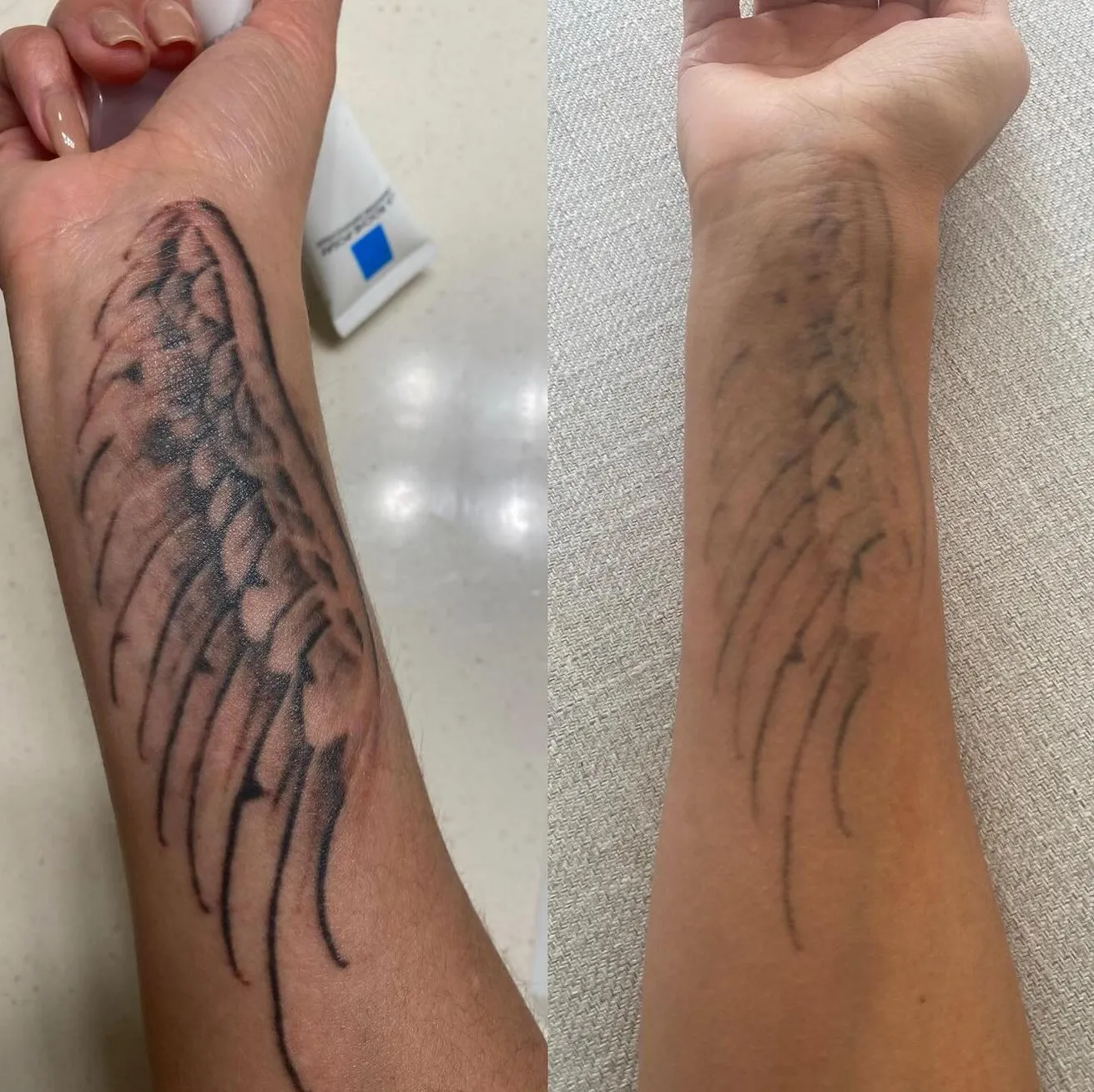
Laser regulations differ by state. Here’s a quick breakdown for Australia:
- Queensland: You need a special treatment licence from Radiation Health Queensland, and hands-on training is part of the requirement.
- WA/SA/NSW: Currently unregulated, but clinics often require internal vetting and supervised training.
- Victoria: No formal licence—but insurers and employers expect laser safety from trusted training providers.
Moral of the story: Even if it’s legal, that doesn’t mean it’s smart to go solo.
What Makes a Good Training Program?
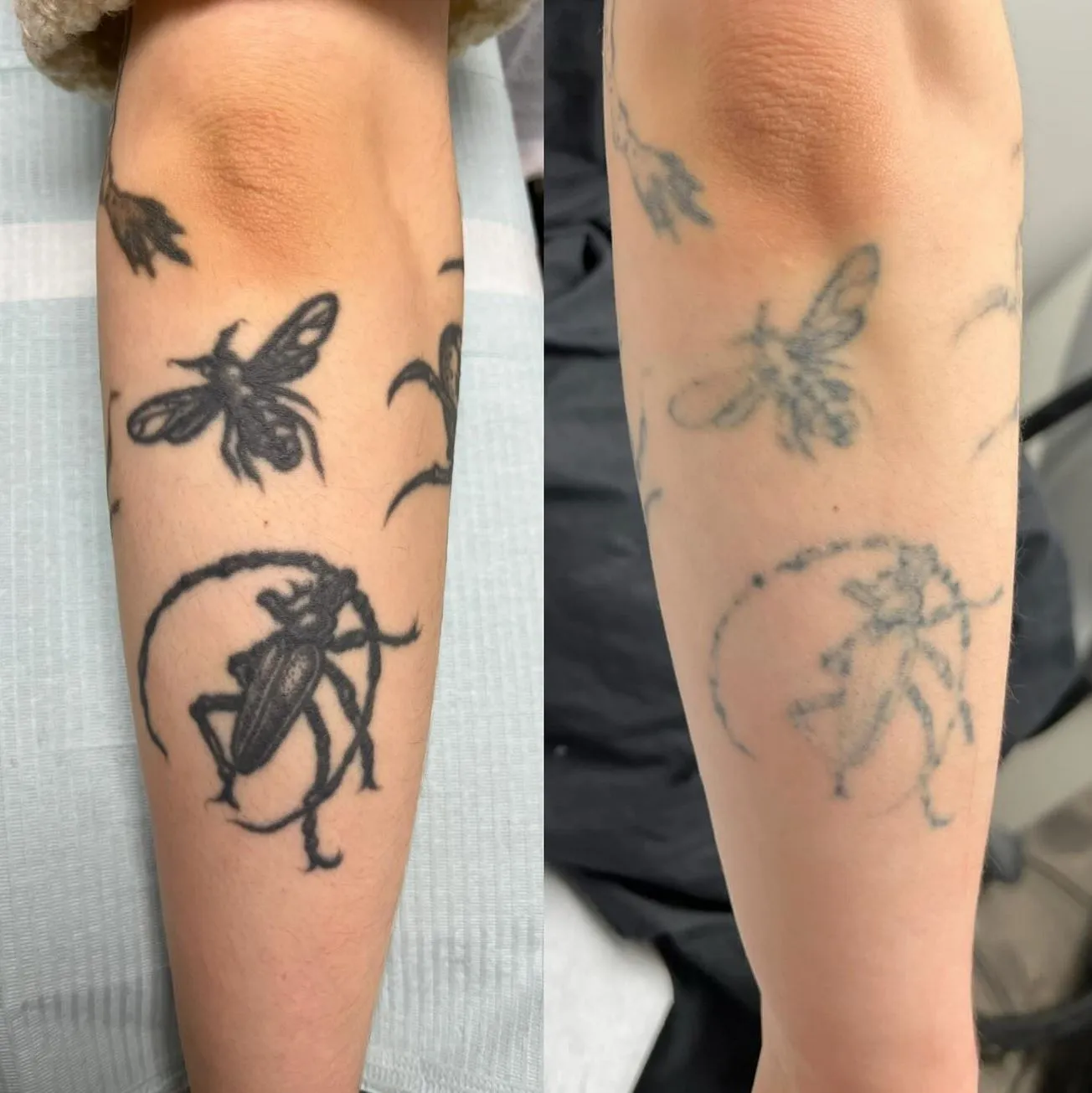
A proper tattoo removal training course—online or in-person—should include:
- Comprehensive theory: basics of skin anatomy, laser technology, Light physics, knowledge of pigments
- Laser safety certification: compliant with AS/NZS 4173 and Queensland Radiation Health standards
- Device access: hands-on experience with Q-switched lasers and cosmetic lasers
- Real clients: not rubber pads, for a genuine learning experience
- Mentorship: from professionals with a background in beauty therapy and the aesthetic industry
Extra value includes:
- Client consultation skills
- Treatment plans for a wider range of tattoo pigment and skin types
- Business insights: from average tattoo removal costs to managing 10–12 laser sessions
- Exposure to non-laser tattoo removal training concepts and aesthetic education
Ask this: Would I trust someone who only learned this online to treat my face with laser treatment?
Tattoo Removal Is Booming
As of early 2025, the tattoo removal industry in Australia is worth over $89 million annually. With more body art tattoos comes more regret—and more demand for qualified laser tattoo removal.
But more demand also means:
- More rushed training
- More underqualified laser tattoo removal technicians
- More Attempts at tattoo removal with poor results
We’re seeing:
- Overlapping laser sessions in the same area
- Confused treatment plans
- Lack of post-treatment care
It’s not just about following a process. It’s about having a mix of knowledge, confidence, and real-world experience with a variety of clients and tattoo removal techniques.
Online Courses Are Just the Start
Want a career in tattoo removal Melbourne or the wider medical aesthetics industry? Great. But don’t settle for shortcuts.
Start with an online course if you must—but follow it up with practical training, classroom education, and guidance from aesthetic professionals. Whether you’re aiming for Level 4 Laser certification or just testing the waters as a tattoo artist expanding into aesthetic treatments, invest in your learning experience.
You owe it to your future clients to keep them safe—and to yourself, if you want a successful career.
FAQ
Can I get certified in laser tattoo removal online?
Yes, but many online laser courses don’t include the hands-on experience or laser safety required for insurance or clinic work. Tattoo removal training reviews show that the most success comes with blended learning.
Is hands-on training mandatory in Victoria?
No licence is required in Victoria, but reputable beauty salons and aesthetic sector employers prefer hands-on training with practical assessments.
What’s the average cost of a full laser tattoo removal course?
Blended training can range from $2,000 to $6,000. Costs may include an assessment fee, prerequisite courses, and materials.
Do online courses include laser safety certification?
Some do, but always confirm it’s recognised by Queensland Radiation Health or other regulatory bodies. Attention to laser safety is non-negotiable.
How do I know if a course is reputable?
Check if the provider offers advanced tattoo removal services, Level 4 Laser qualifications, access to actual tattoo clients, and aftercare instructions. The passion of industry professionals and real-life teaching counts.