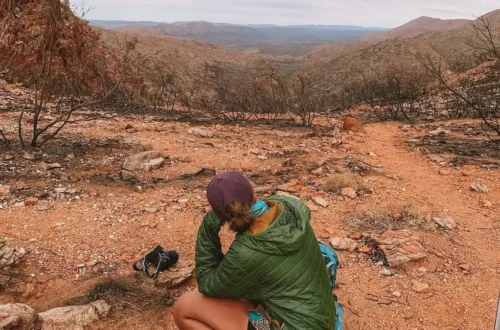
Walking & Hiking in Kakadu
Walking and hiking in Kakadu isn’t just a walk in the bush; it’s a journey into an ancient landscape full of history and beauty. Kakadu National Park is in the Northern Territory of Australia and has some of the most diverse and colourful ecosystems in the country. From rocky outcrops to billabongs, every step and track in this World Heritage site tells a different story. The main attractions here aren’t just the landscapes and wildlife but the Aboriginal rock art that’s thousands of years old.
Kakadu National Park has trails from easy walks to challenging hikes through gorges and steep country. Whether you want to ponder the millennia old indigenous rock art at Ubirr and Nourlangie or watch water cascade over the cliffs at Jim Jim and Twin Falls, Kakadu has something for every level of adventurer.
Kakadu’s Best Hiking Trails
 Kakadu National Park is a natural wonderland and one of the best places to hike in the Northern Territory. The park covers 19,804 square kilometres and has a vast network of walking trails that take you through monsoon forests and mangrove swamps to the floodplains that glow in the morning sun.
Kakadu Hiking Adventures
Kakadu’s hiking adventures are a challenge for both new and experienced walkers. The marked trails and guided tracks mean everyone from nature lovers looking for a peaceful walk to seasoned hikers looking for a tough trek will find something. The park’s tracks lead to art sites, rock pools and lookouts and it’s more than just a physical journey – it’s a journey through time guided by the stories of the land.
Top Trails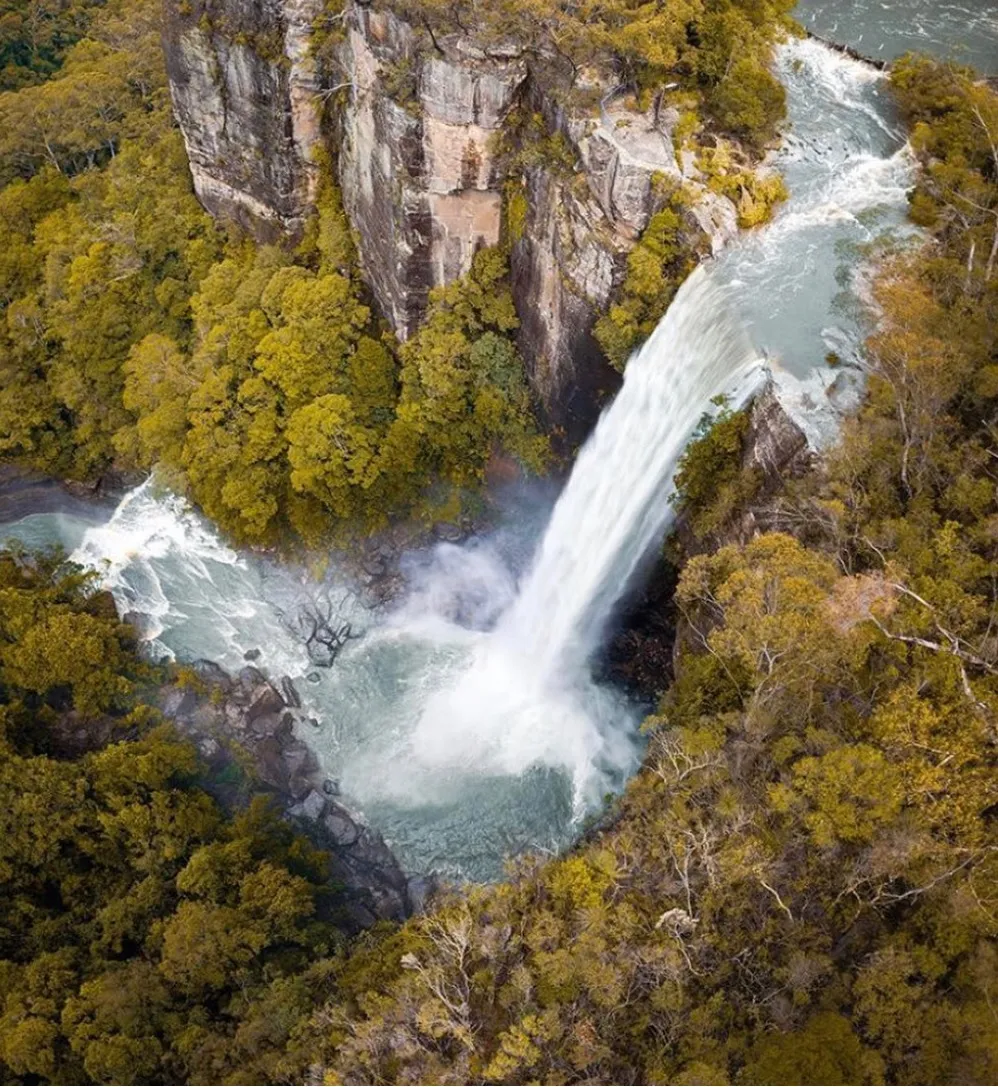
From the stunning Jim Jim Falls which is best visited in the late dry season to see it at its best to the peaceful waters of Yellow Water Billabong – every site in Kakadu is different. Here’s a quick look at some of the must do trails:
- Jim Jim Falls: A tough walk to one of Kakadu’s most famous waterfalls and a deep plunge pool.
- Barrk Sandstone Walk: For those who want to hike through rocky country this long track offers great views and unique birdlife.
These trails show off the natural beauty of Kakadu and offer wildlife and photography opportunities especially at dawn and dusk.
Trail Guides
Every trail in Kakadu is different. For example the Anbangbang Billabong is a easy walk with great views of Nourlangie Rock while the Barrk Sandstone Walk requires a higher level of fitness and preparation.
Shortest Hike: Bardedjilidji Walk
This walk is for those looking for a quick hit. The track takes you through sandstone and monsoon forests and ends at beautiful creeks where you can take a dip.
Longest Hike: Barrk Sandstone Walk
For the more hardy souls the Barrk Sandstone Walk is an all day trek through Kakadu’s Stone Country. This track is long and tough but rewards you with isolated swimming holes and the haunting beauty of the stone country, surrounded by the dawn chorus of black cockatoos and spangled drongos.
Wetland Wonders: Anbangbang Billabong
A must do for birdwatchers and photographers the Anbangbang Billabong walk is famous for its birdlife and the backdrop of the Nourlangie Massif. The billabong is most peaceful during the wet season when the area comes alive with waterbirds like magpie geese and emerald doves.
Waterfalls: Maguk and Boulder Creek Falls
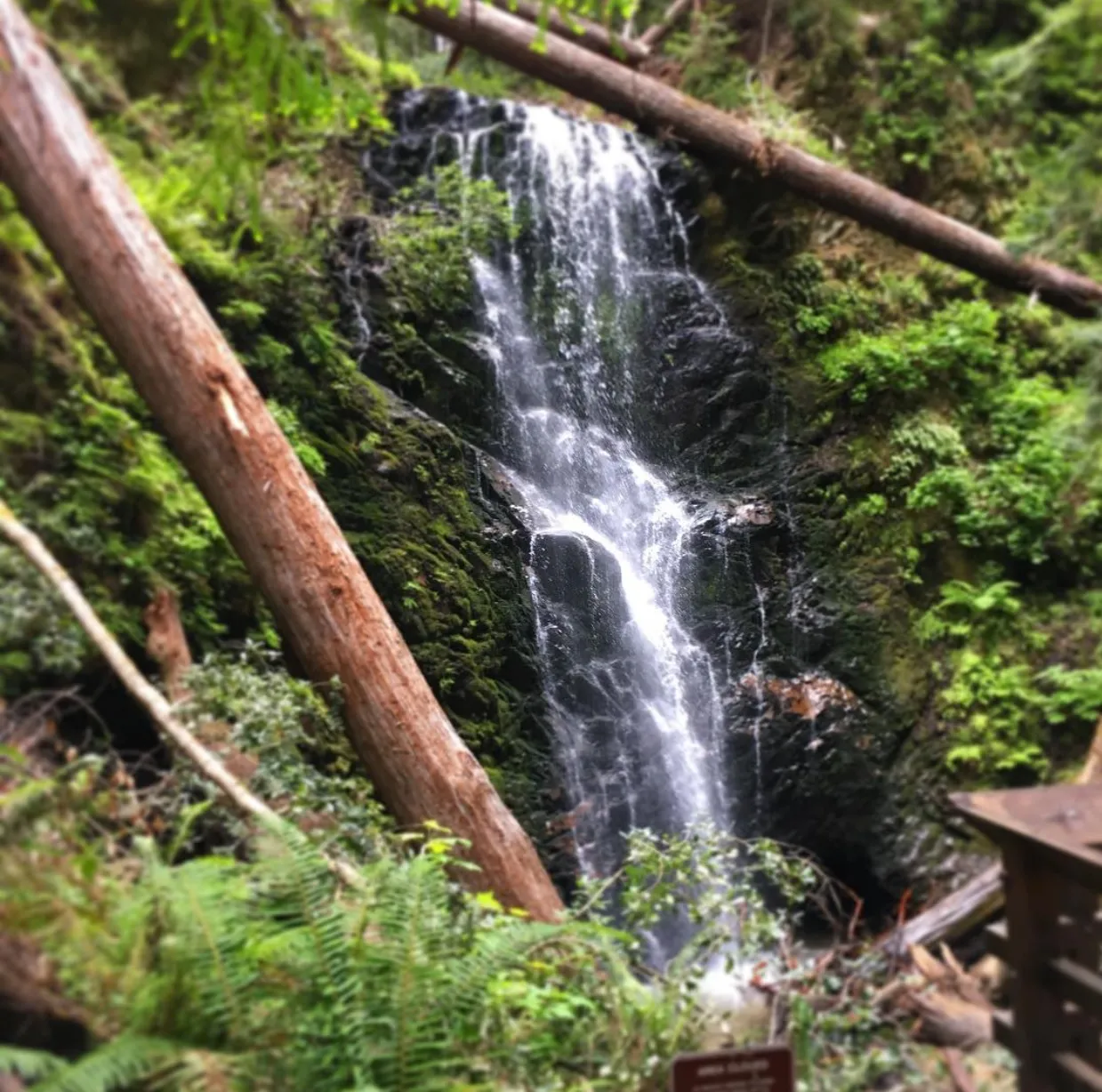 Heading south in Kakadu the trails to Maguk and Boulder Creek Falls are popular in the late afternoon when the light is perfect. These trails offer the sight and sound of waterfalls and cool plunge pools at the base of the falls where you can take a dip after a days walking.
With so many hiking options in Kakadu every visitor will leave with memories in their camera and in their heart. Whether it’s the sound of waterfalls, the rustle of leaves in the monsoon forest or the ancient voice of Aboriginal art speaking through the rock galleries Kakadu speaks to the soul of every hiker.
Regional Highlights
Kakadu National Park is divided into several regions each with its own unique landscapes and trails to suit different hiking styles. These regions are not just geographically different but also culturally rich showing the deep connection between the Indigenous people and the land. By hiking in different parts of the park you can experience many environments from peaceful billabongs to rugged escarpments.
South Alligator
 The South Alligator region has easy trails and beautiful wetlands like the Mamukala Wetlands. Hikers here can experience the peace of the wet season when the area is alive with birdlife. The Djarradjin Billabong is another hidden gem in this area, a quieter more secluded spot for those who want to get off the beaten track and immerse themselves in nature.
East Alligator
In the East Alligator region hikers are treated to a mix of culture and nature. The Ubirr Walk is not just a physical journey through beautiful landscapes but also a spiritual journey as it has several Aboriginal rock art sites. The Bardedjilidji Walk is less known but equally as good, takes you through sandstone formations and dense woodlands, perfect for geology and botany buffs.
Nourlangie
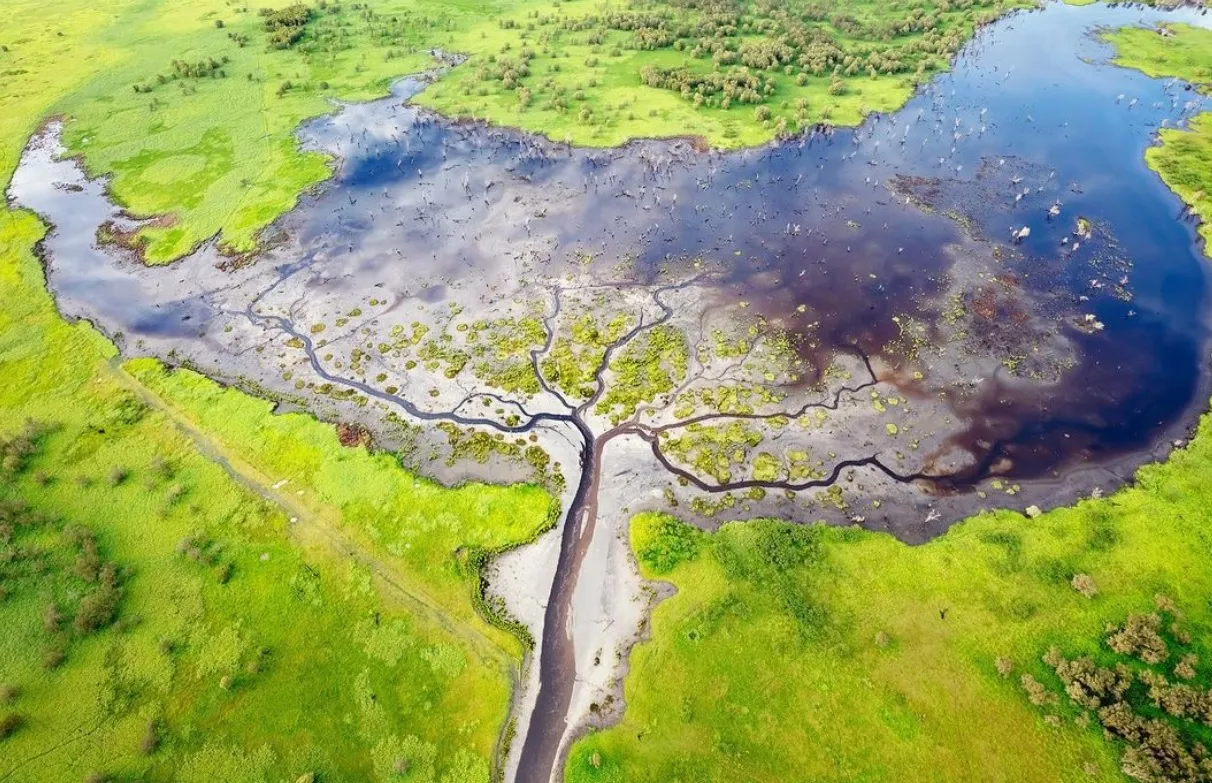 The Nourlangie region is famous for its rock art sites and is one of the most visited attractions in Kakadu. The Nanguluwurr Art Site Walk is a quieter alternative to the more popular areas and allows for a more intimate connection with the stories in the rock paintings. This trail is less walked and surrounded by the ruggedness of the escarpment is a peaceful retreat for those who want solitude and reflection.
Yellow Water and Mary River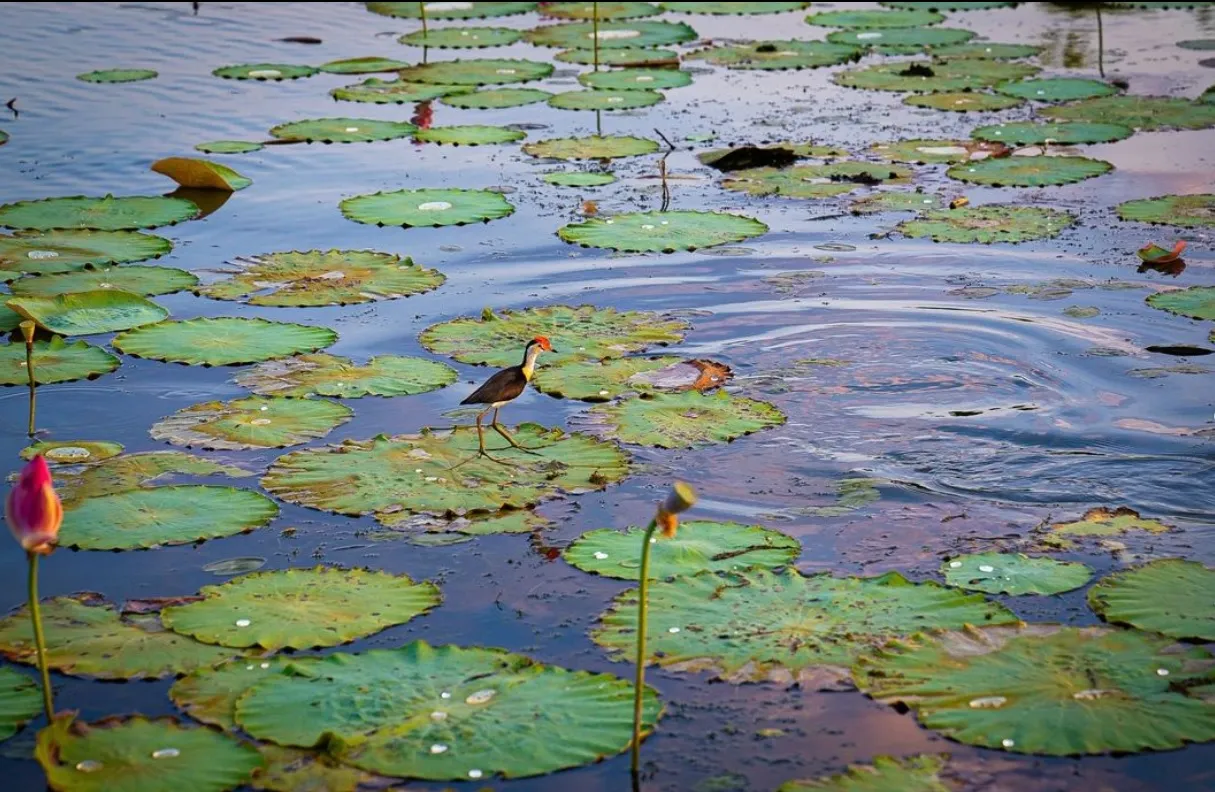
In the Yellow Water region the Mardugal Billabong Walk showcases the incredible diversity of Kakadu’s wetlands. This area is alive with life and changes dramatically with the seasons so every visit is different. In the Mary River region the Bukbukluk Lookout has great views of the floodplains especially at sunrise or sunset when the colours of the sky reflect beautifully on the water.
Hiking Essentials
Proper planning is key to getting the most out of your hiking in Kakadu. This includes knowing the best times to visit, where to stay and what permits you need.
Trip Planning: How many days in Kakadu?
How many days you spend in Kakadu depends on your interests and what type of hiking you want to do. If you want to do multiple trails and do some bird watching or cultural tours a minimum of 5-7 days is recommended. This allows for a more leisurely pace and to really get into the different environments of the park.
Staying Over: Camping in Kakadu
Camping is a popular accommodation option for many visitors to Kakadu, with a range of options from developed campgrounds with facilities to remote bush camping for the more adventurous. Each campground is different, from the creature comforts of sites with BBQs and showers to the more rugged remote sites that get you closer to nature.
Permits and Planning
Before you head out on any hikes in Kakadu make sure you have the right permits. Most areas require a park pass which can be purchased online or at visitor centres throughout the park. Also check in with local ranger stations for any trail updates especially after heavy rain or during fire season.
End
Hiking in Kakadu National Park is more than just physical activity. It’s an exploration of Australia’s soul, with ancient culture and stunning landscapes. Each trail is a window into the past and present of this amazing land, so every visit is new. Whether you’re hiking up the rugged escarpment or along the peaceful waterways Kakadu will leave you connected to the land and its history.
FAQs After End
When is the best time to hike in Kakadu?
The best time to hike in Kakadu is during the dry season May to October when all areas of the park are open and the risk of flooding is low.
Are there guided hikes in Kakadu?
Yes, several companies offer guided hikes in Kakadu from day tours to multi 3 day Kakadu tours from Darwin treks with wildlife guides and cultural interpreters.
What are the safety considerations when hiking in Kakadu?
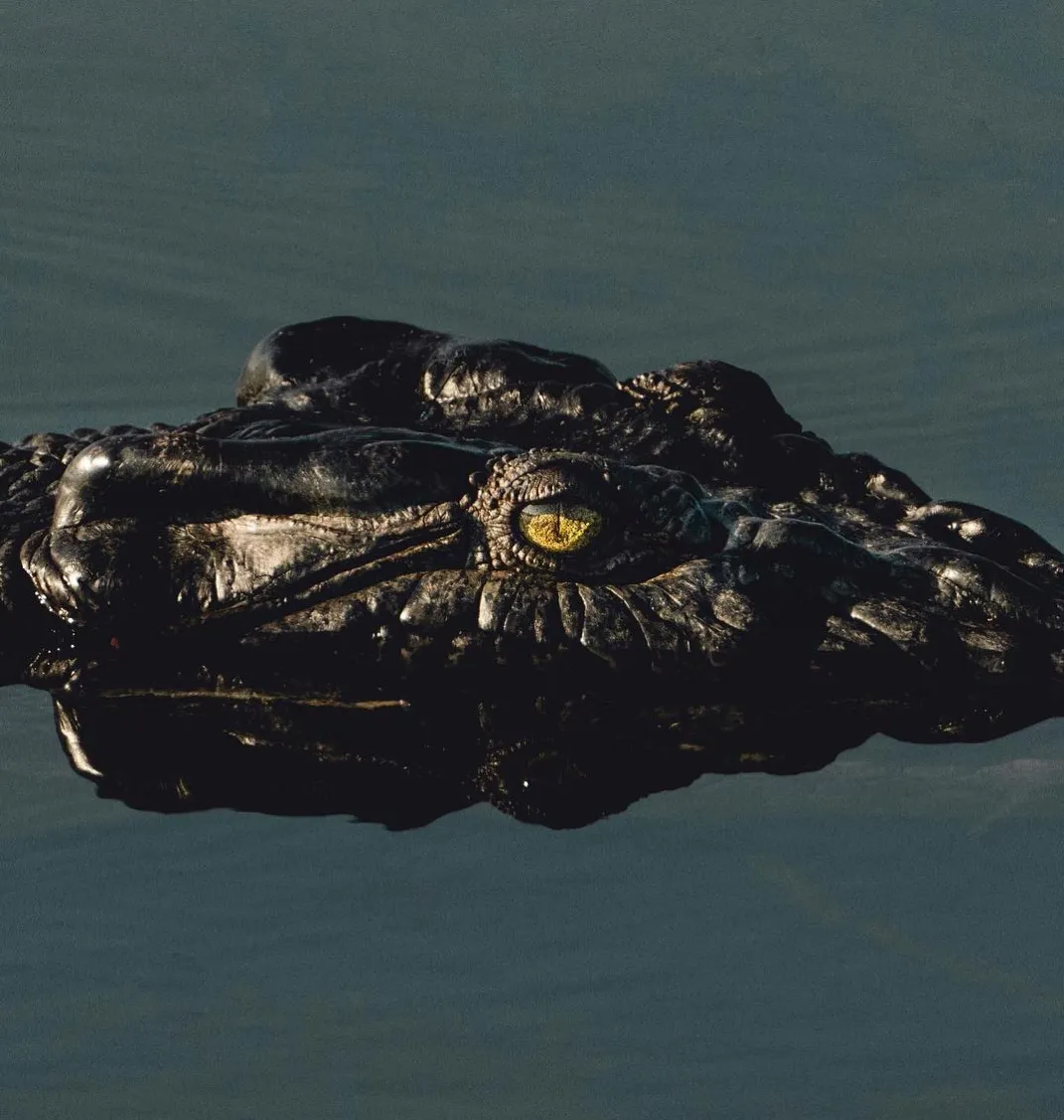
Be prepared for remote conditions, carry enough water, protect yourself from the sun and be aware of wildlife, especially crocs and snakes.
Can I bring my dog hiking in Kakadu National Park?
No, pets are not allowed in Kakadu National Park for environmental and safety reasons, including wildlife protection.
What do I do if I see wildlife on the trail?
Keep a safe distance, don’t feed or touch the wildlife and follow any instructions from park rangers.