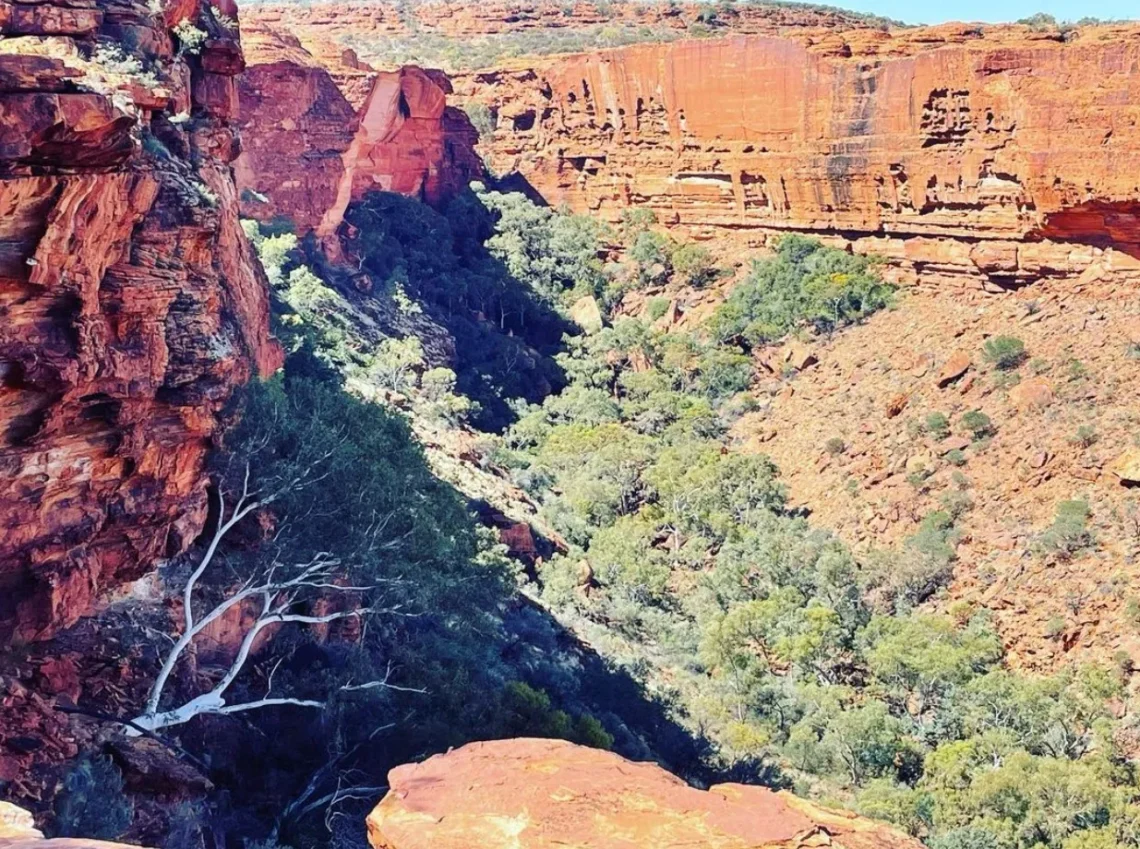
Kings Canyon is an amazing ancient rock formation in Australia’s Watarrka National Park. Every year, thousands of tourists from all over the world visit, and it’s also a nature reserve home to over 600 different animal and plant species. You can explore the gorge on 2 walking trails of varying difficulty, with stunning views of the landscape.
Geography of Kings Canyon
Kings Canyon is located in the southwest of the Northern Territory, 245km from Alice Springs. There are several ways to get to Watarrka National Park or Kings Canyon. The shortest way is via the Mereenie Loop, but this is a rough road and not sealed. A permit is also required to use this road.
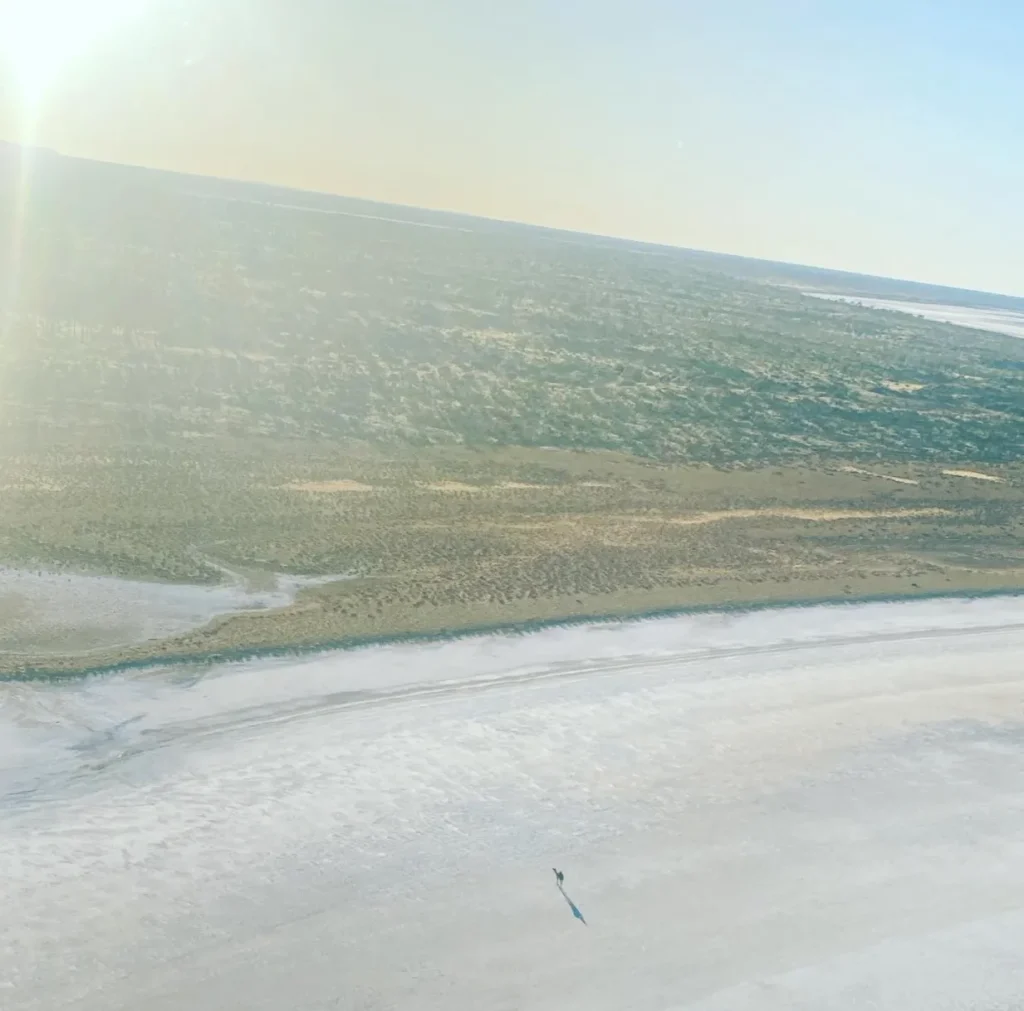
You can get to Kings Canyon via the Stuart and Lasseter Highways if you prefer sealed roads. You can also get there via Ernest Giles Road, but this is only for 4WD. 3 major landscapes surround Kings Canyon. The impressive Mac Donnell Ranges is in the northeast, a 650km long mountain range. In the south and west are sand plains and lakes, including salt Lake Amadeus. In the southeast, there are flat hills and table mountains.
Flora & Fauna of Kings Canyon
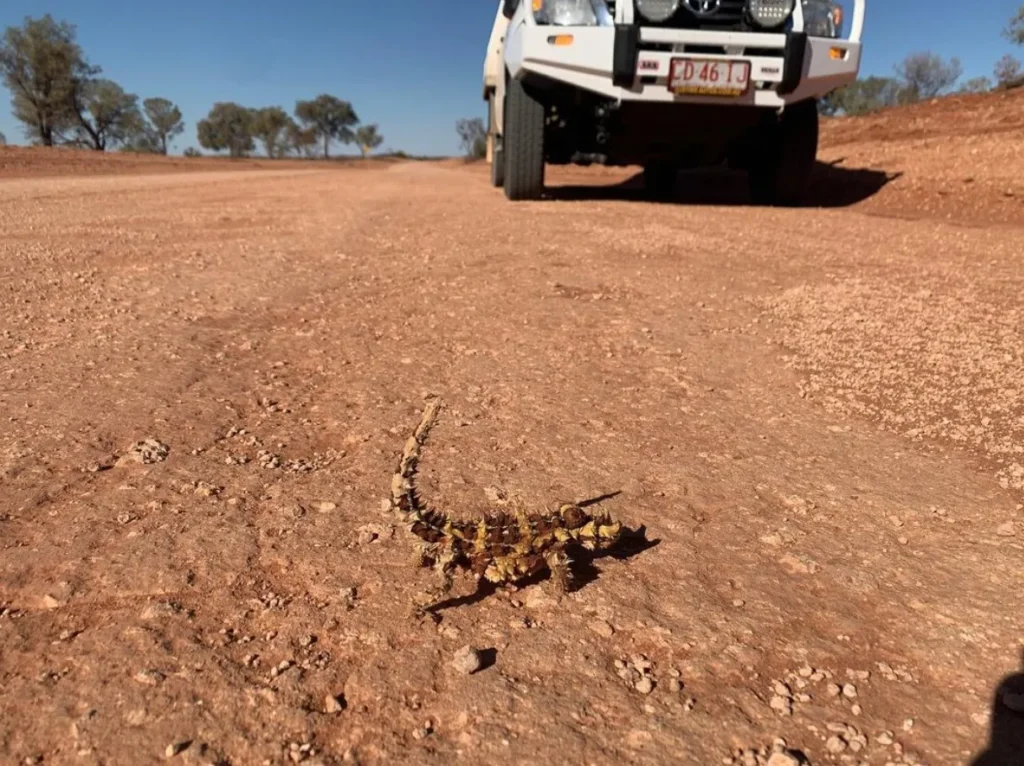
In the past many plants grew in the area around Kings Canyon but have since disappeared as the lakes and rivers have dried up. However, due to their size, many deep gorges in Watarrka National Park protect the soil from drying out. This has allowed over 50 rare plants to survive. Many red river gums grow along the waters of Kings Canyon. The dry conditions on the plateau that borders the canyon often lead to bushfires. So many fire-sensitive plants, such as the white cypress, have settled here. Its leaves are adapted to the dry environment. Some plants, like the Acacia mac don nemesis, can survive with very little water and even grow on rock walls.
The Mac Donnel Ranges Cyclades, which are hundreds of years old, are common in Kings Canyon. There are over 600 plant species here. Many animal species, some of which are endangered, have also found a home in Kings Canyon. The mountain wallaby and black-pawed rock wallaby are often found here. Both require very little water. Dingos and rock wallabies also live here. The permanent water supply also attracts animals from further afield. Many bird species, like budgies, zebra finches and diamond doves, can be found at the waterholes.
Attractions in Kings Canyon
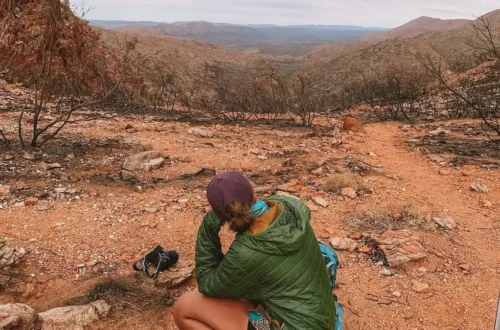
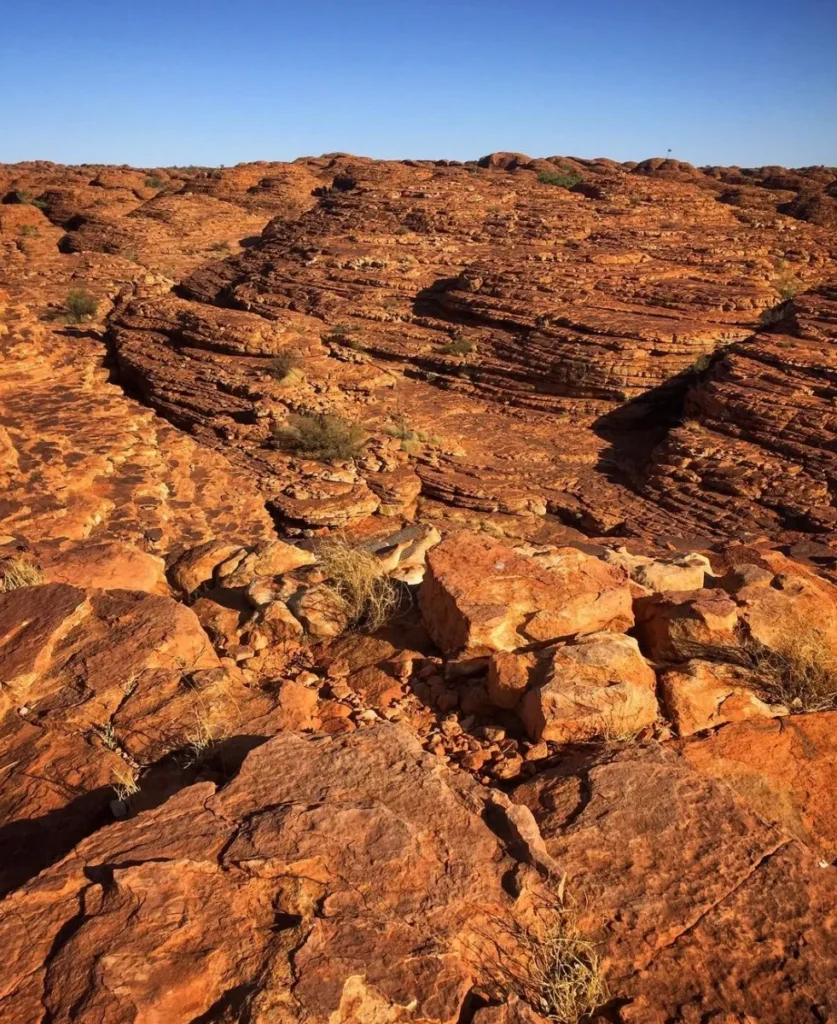
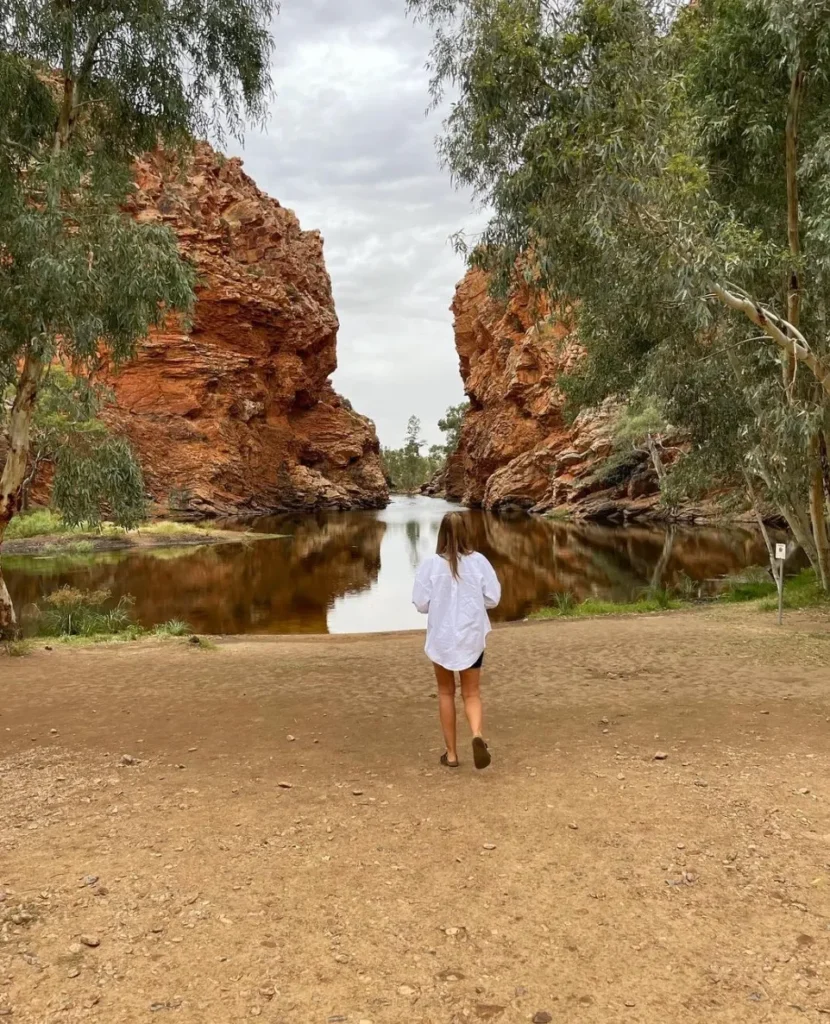
You can explore Kings Canyon on two walking trails. The shorter Kings Creek Walk is for those who prefer an easier walk. It takes 1 hour and is 2.6km. It follows a creek bed to a lookout with great views of the rock faces. The Kings Canyon Rim Walk takes 4 hours and is much harder. But it’s more scenic and has many photo opportunities with the sandstone domes, rock formations, and deep gorges. The trail goes through the Lost City.
These sandstone domes were formed by erosion and look like small houses. You can cool off a bit in the Garden of Eden. This oasis has subtropical vegetation in the middle of the Australian outback. The further walking trail goes past sandstone domes. You can also do unique walks near Kings Canyon. The Giles Track is between the southern part of the canyon and Kathleen Springs.
This trail is 22km, so many people camp along the track to spend the night here. The Kathleen Springs Walk is 1 hour and goes to the springs of Kathleens Gorge and is good for families. If you don’t want to hike, you can go on a camel ride through the gorges of Kings Canyon. You can do a quad bike tour of Kings Creek Station, an active cattle farm. A helicopter flight is a great way to see the national park and Kings Canyon. The National Park and Kings Canyon are open all year round. Camping is not allowed anywhere in the park (except the Giles Track). You can stay overnight at Kings Creek Station or the Kings Canyon Resort.
Aborigines
Many of Australia’s indigenous people, the Aborigines, live around Kings Canyon. The Luritja tribe is often represented here. The rock formations of Kings Canyon have special spiritual significance for the Aborigines. Many Luritja now live further away from the national park in the Papunya settlement. Many Aboriginal elders offer visitors guided Kings Canyon tours and the national park. Here you can learn more about the history and culture of the Aborigines.
They also share stories of the Dreamtime, which is an important part of their cultural heritage, and how the land, animals, and people were created. These tours give you an insight into the deep spiritual connection the Aboriginal people have with the land, especially Kings Canyon.
Climate and Best Time to Visit Kings Canyon
The climate in Kings Canyon is extreme, hot in summer and cool in winter. The hottest months are November to February when temperatures can reach over 40 degrees Celsius. The cooler months are May to August, which is the best time to visit, as the temperatures are mild and perfect for hiking and exploring the rugged ranges and deep canyons.
Please bring plenty of water and wear suitable clothing, including hats and sunscreen, to protect yourself from the sun. Insect repellent is also recommended as there are flies and other insects. Be aware of the park alerts and safety notices.
Accommodation and Facilities
There are several options for staying at Kings Canyon. Discovery Resorts—Kings Canyon has rooms, camping sites, and dining options. Kings Creek Station offers an outback experience with accommodation and camping facilities. If you want to stay in luxury, the Kings Canyon Resort has amenities and views of the canyon.
Bookings can be made to help you plan your stay and ensure you have enough time to see all the attractions and scenery of Kings Canyon.
Unique Features of Kings Canyon
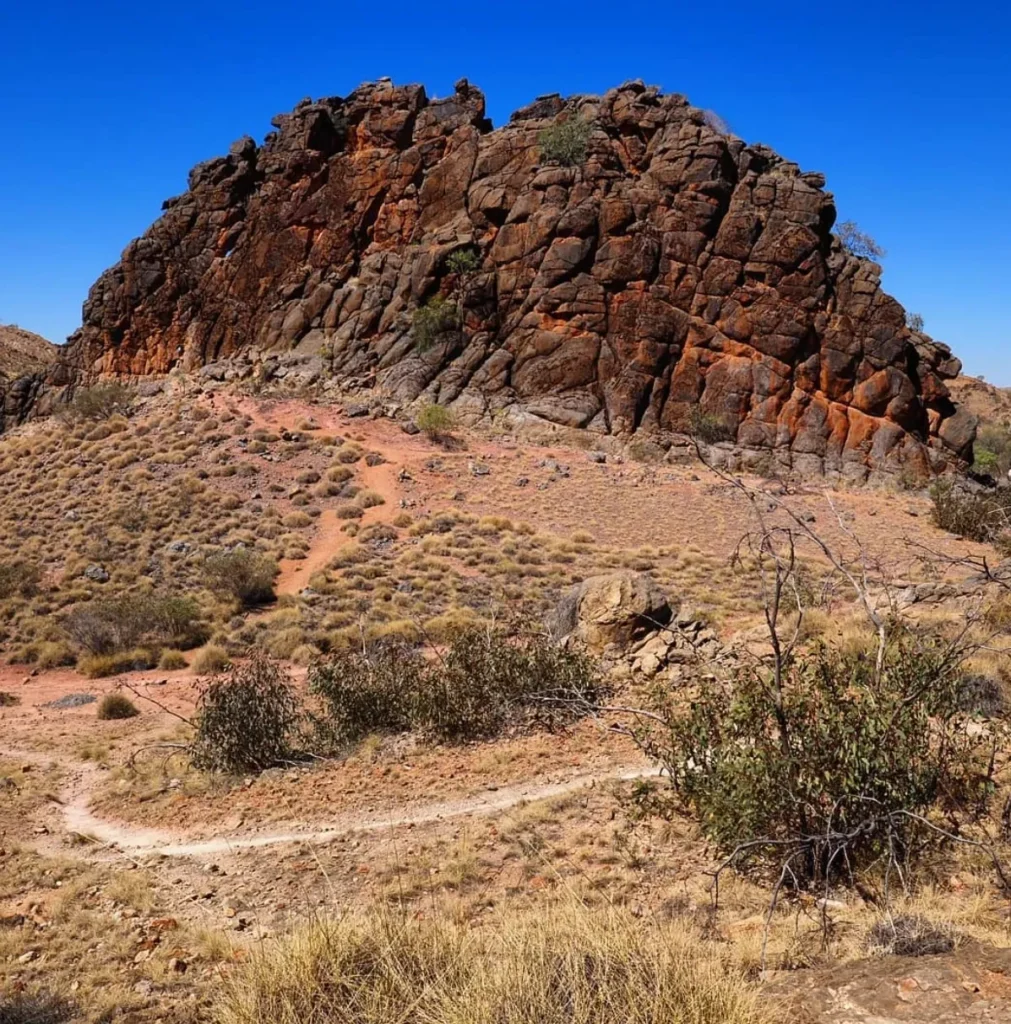
Kings Canyon is famous for its dramatic landscapes, towering canyon walls and deep canyons. The layers of sandstone that have been eroded over millions of years create a geological wonder that attracts geologists and tourists. The Garden of Eden, a permanent waterhole in the canyon, starkly contrasts the surrounding desert and supports palm forests and diverse vegetation.
The George Gill Range, part of the Central Australia region, adds to Kings Canyon’s ruggedness. Helicopter tours give a 360-degree view of the area, showing the entire canyon and surrounding landscape, including Ayers Rock / Uluru and Kata Tjuta in the distance.
You can also learn about the Canyon Solar Power Station, which provides renewable energy to the area, and how tourism and conservation can coexist.
Comparisons with Other Canyons
Kings Canyon is often compared to other famous canyons around the world, such as Sequoia & Kings Canyon National Parks in the USA. While both have the name Kings Canyon, they are very different. Sequoia & Kings Canyon National Parks are famous for their giant sequoia trees, including the biggest tree on earth and the Yosemite Valley and Grant Grove. Kings Canyon in Australia has Kings Canyon, the desert landscape and unique flora and fauna.
Whether climbing up the canyon walls, walking along the creek or gazing at the sequoia groves in Cedar Grove, each place has its own canyons and scenery to amaze.
Art and Light Installations
Bruce Munro’s light installations, such as the Field of Light at Ayers Rock / Uluru, have put Central Australia on the international map. Similar light towers and installations could be added to Kings Canyon to create a magical and surreal experience against the natural landscape.
End
Kings Canyon in Watarrka National Park is a must-see for nature lovers, adventure seekers, and cultural vultures. With deep canyons, stunning views, and diverse flora and fauna, it’s a one-of-a-kind experience. Whether on foot, camel, or helicopter, you’ll find plenty to see and do in this part of Central Australia.