Be a marine biologist for a day: Citizen Science Tours on the Great Barrier Reef in 2026 – it’s not about crossing a reef off your bucket list. It’s about getting your hands dirty in fieldwork, collecting data, and seeing how one of the world’s largest marine ecosystems is monitored in real time.
I’ve spent years taking thousands of travellers out to the reef, and the ones who go back home feeling changed aren’t the ones snapping the perfect underwater selfie – it’s the ones who actually care about coral health, reef sharks and have had their hair dried off while sitting in on a proper team debrief after a long day out.
By 2026, hands-on reef programs will be far more focused, accountable, and connected to long-term monitoring networks than ever before.
Understanding The Reef’s Scale And Why Help Matters
The reef is a pretty massive deal – it’s 2,300 kilometres of Queensland’s coastline and takes up a huge 344,400 square kilometres of real estate, along with 3,000 individual reefs and hundreds of islands. The simple fact is that no single research team can physically track every bit of it.
That’s where structured citizen science comes in.
Tourism operators working alongside programs like Reef Guardians, with support from the Great Barrier Reef Marine Park Authority, are using observational data collected by trained guests. When done right, visitor-collected data supports reef health tracking and shows the impact of human activity across different areas of the reef.
You aren’t ‘playing scientist’; you are supporting a year-round monitoring system.
What Actually Happens on a Tour
Time to get a bit more realistic – I reckon. A good program running out of Port Douglas will take you to places like Moore Reef or further out to Agincourt Reef on boats like Passion’s Catamaran.
The day starts with a proper gear-up meeting. A marine biologist will run through:
- reef basics for dummies
- data collection methods that make sense
- all about avoiding damaging the coral with your fins
- how to spot the right species
- safety stuff that you need to know
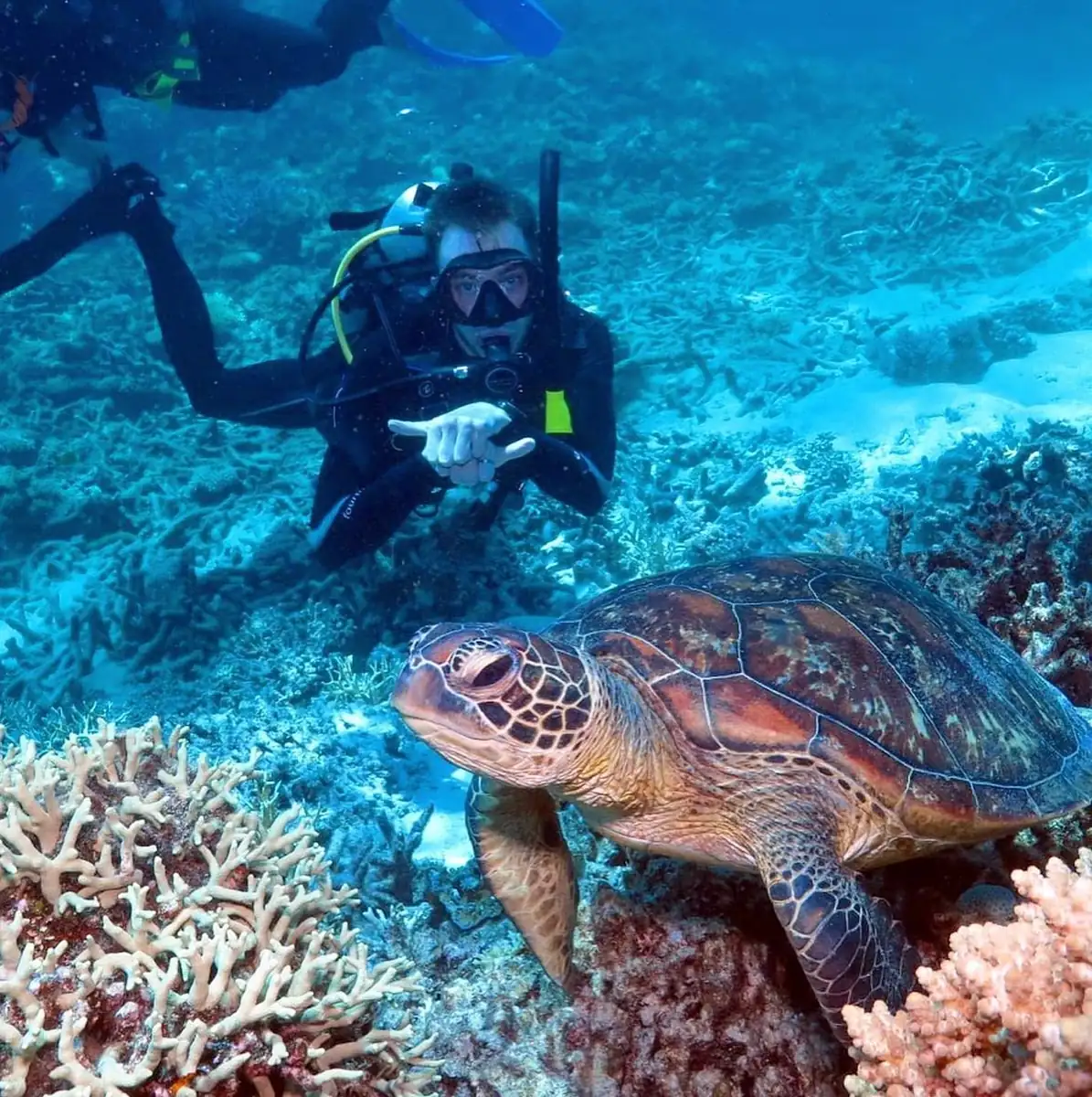
Your level of comfort dictates what you get to do. Experienced snorkelers may assist along transect lines. If you’re certified, you might be able to join deeper surveys with scuba gear. Beginners will work in shallower waters under close supervision.
You’ll be logging coral condition, fish numbers and the odd sighting of a reef shark – maybe even a black tip reef shark cruising the drop-off. Every observation is recorded in the logbook and in digital reporting systems afterwards.
After your swim time, you all sit down for a team debrief, and that is when the numbers start to make sense. You compare notes with the rest of the team and start to spot patterns.
Suddenly, the reef stops being just a pretty sight and becomes a real, living system.
What Sets This Apart From A Standard Reef Cruise
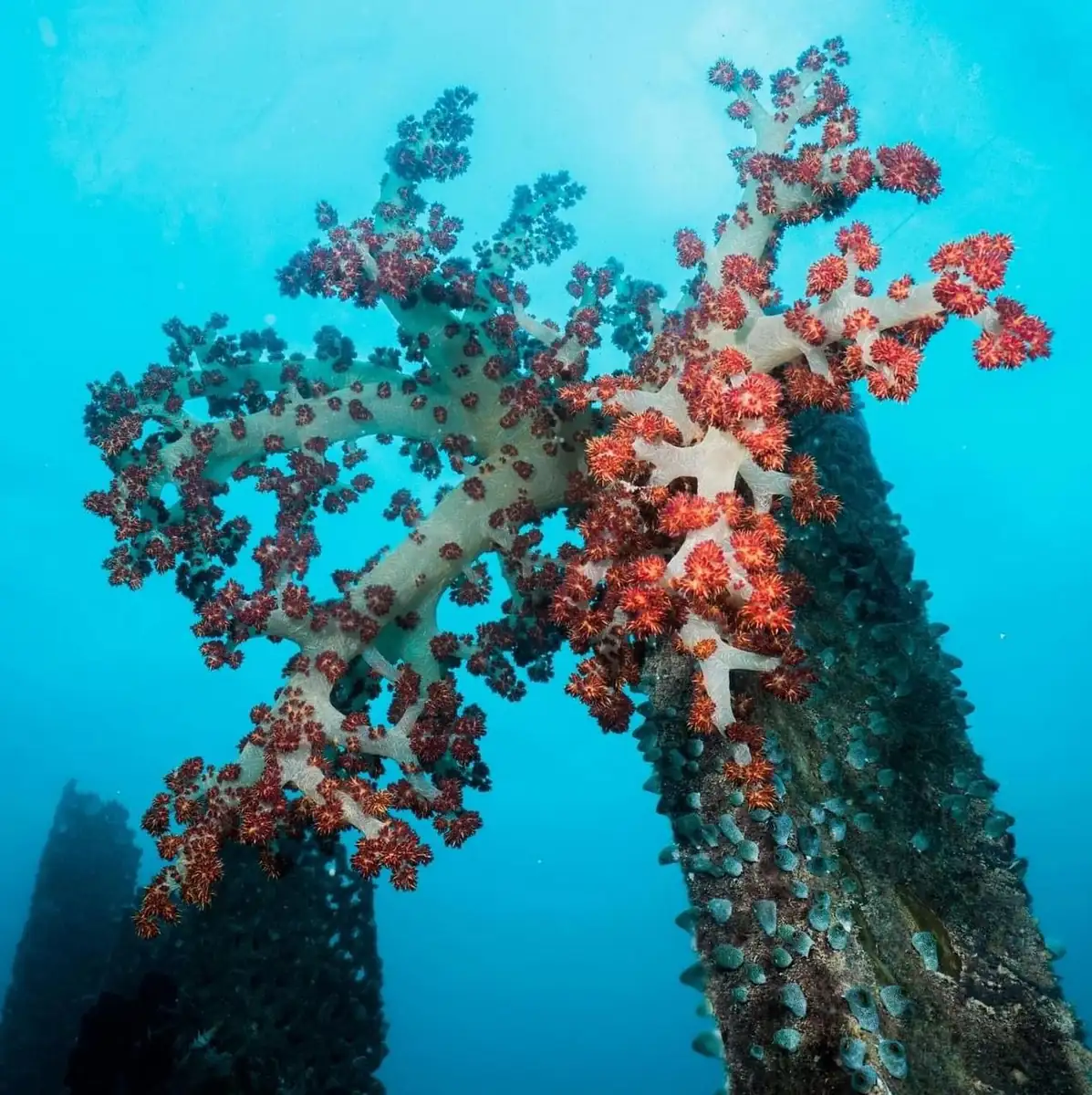
There’s nothing wrong with kicking back on a laid-back snorkel day. But when you pay for a science-based tour, you get something totally different from what a standard tour package offers.
You still get your morning cuppa and a tropical buffet lunch, complete with hot and cold dishes. And of course, there’s afternoon tea and a cold drink to round things out. Most boats carry credit card facilities, but I always recommend checking ahead – satellite connections can be a bit dodgy in rough weather.
The big difference is the purpose behind the trip.
Instead of just drifting along, you’re focused on picking up some practical skills: taking accurate fish counts, scoring the condition of the coral, and making sure you’ve got safe buoyancy control. You’ll learn to spot the signs of human impact on the reef, like anchor scarring or bleaching patterns.
Some tour operators charge a small additional fee for dive surveys or specialist workshops. And let’s be real, you’re getting what you pay for – qualified marine staff, a proper protocol, and smaller group sizes, rather than just deck space and a snack buffet.
Port Douglas And The Outer Reef Advantage
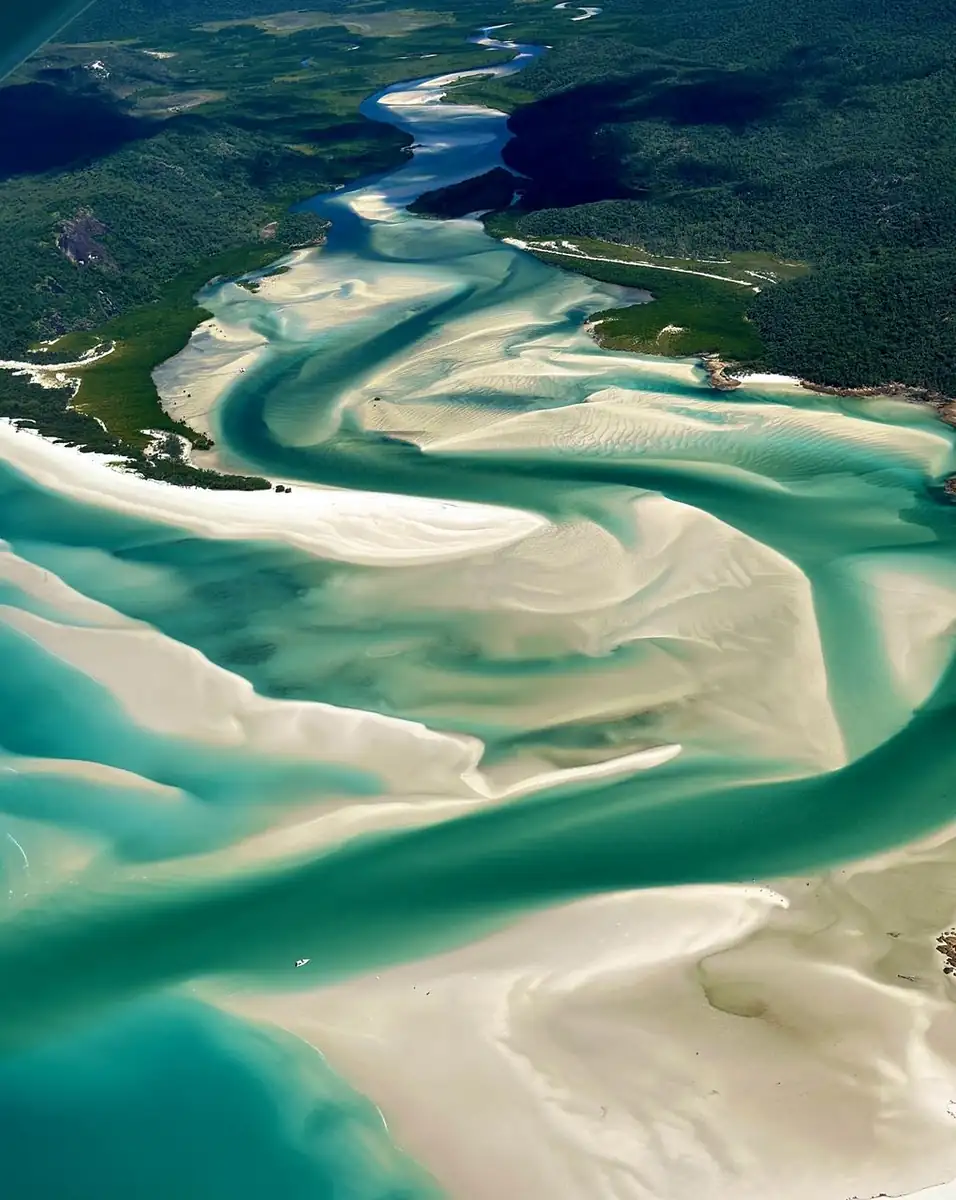
Port Douglas gives you direct access to the outer reef systems, and operators affiliated with places like Great Barrier Reef Tours focus on matching you with eco-minded tour operators who prioritise monitoring and participation.
The outer reef is usually a bit clearer than the inner reef zones, which are affected by runoff. That makes it way easier to spot species and get an accurate handle on coral health.
When the weather’s calm, you might get to do some genuine sailing, rather than just chugging along under the engines. There’s something really special about sailing back to the coast after a morning of surveys – you’ve worked hard, you’ve learned a thing or two, and you’ve contributed to the effort.
Some people like to combine their reef work with a scenic flight Whitehaven Beach the next day. Seeing the reef from above gives your underwater observations a new perspective.
Wildlife Encounters With A Bit Of Science
The reef is home to all sorts of wildlife, and when you’re surveying, you might spot:
- Blacktip reef sharks are just doing their thing
- Grey reef sharks – yes, they’re different to blacktips
- Parrotfish munching on the coral
- Butterflyfish hanging out in pairs
- Giant clams just chillin’
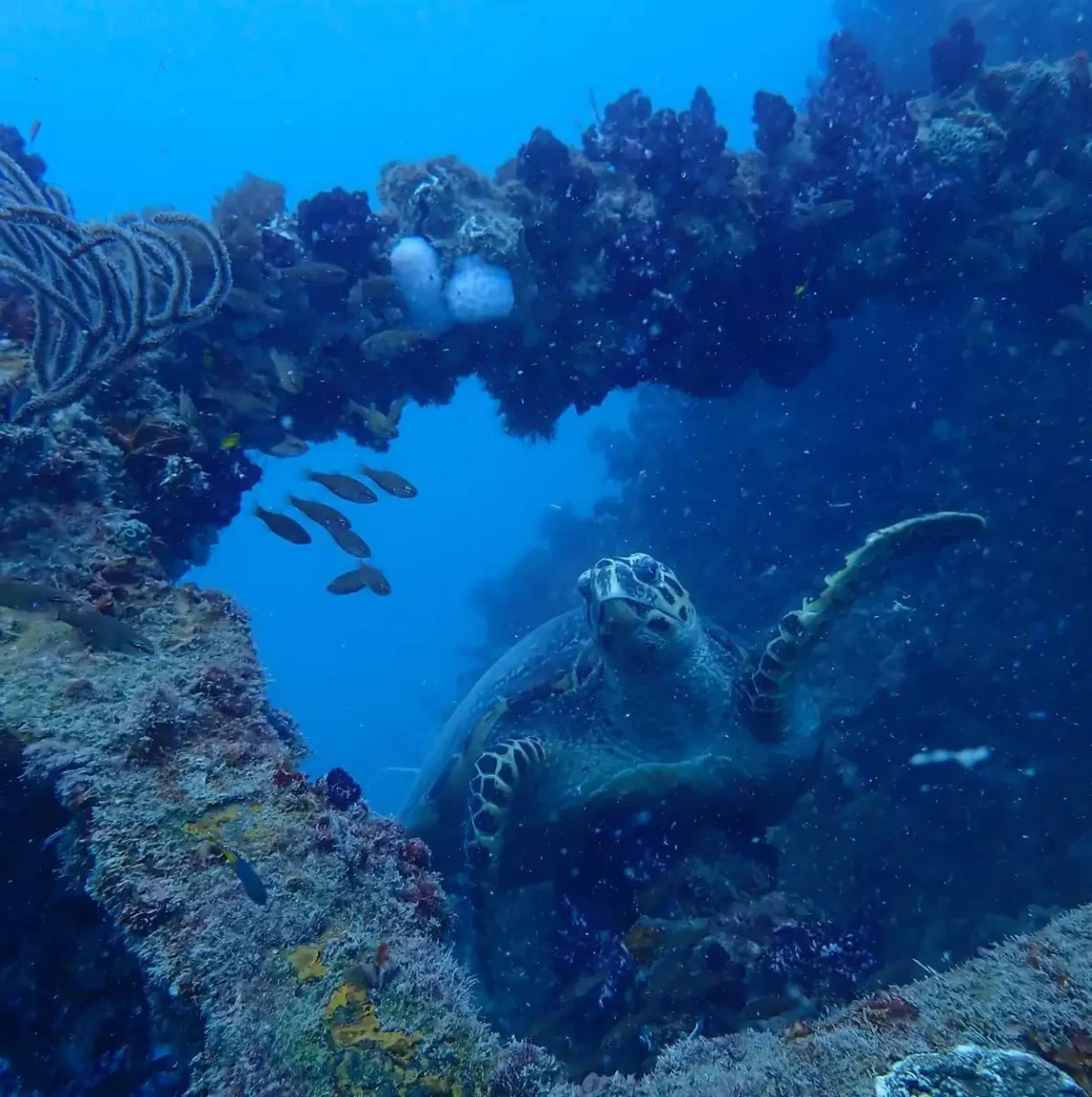
- Turtles surfacing for air
Seeing reef sharks during a transect is a real eye-opener. Instead of just going “whoa, look at that”, you’re recording depth, behaviour, and location.
You start to think like a proper field observer.
And yes, if you’re lucky, you might even spot multiple shark species on the same trip. Not some Hollywood-style drama, just the reef doing its thing.
Reef Comfort, Conditions And Common Sense
The Dry Season (May – October) is when the seas are relatively calm, and the visibility is crystal clear. This is a great time to be out on the water. The Wet Season (November – April), on the other hand, can bring soaring humidity, runoff and the occasional cyclone alert. Rough weather may require changes to our departure or delay plans.
If you get motion sickness, please take your medication before we head out. Some of our vessels keep the medication on board, but don’t count on it; take one early just to be safe.
You’ll want to bring all the essentials, such as a towel, reef-safe sunscreen, and a hat to protect you from the sun. Stay hydrated, especially if you’re planning on getting in the water. Long snorkel sessions can be thirsty work, and you’ll need to have the energy to keep your eyes peeled for all the amazing sea life.
If you’re travelling with a bus tour or structured group, it’s worth building in some flexibility to your itinerary, because let’s face it, the weather’s going to want to have its say.
The Power of Getting a Handle on Human Impacts
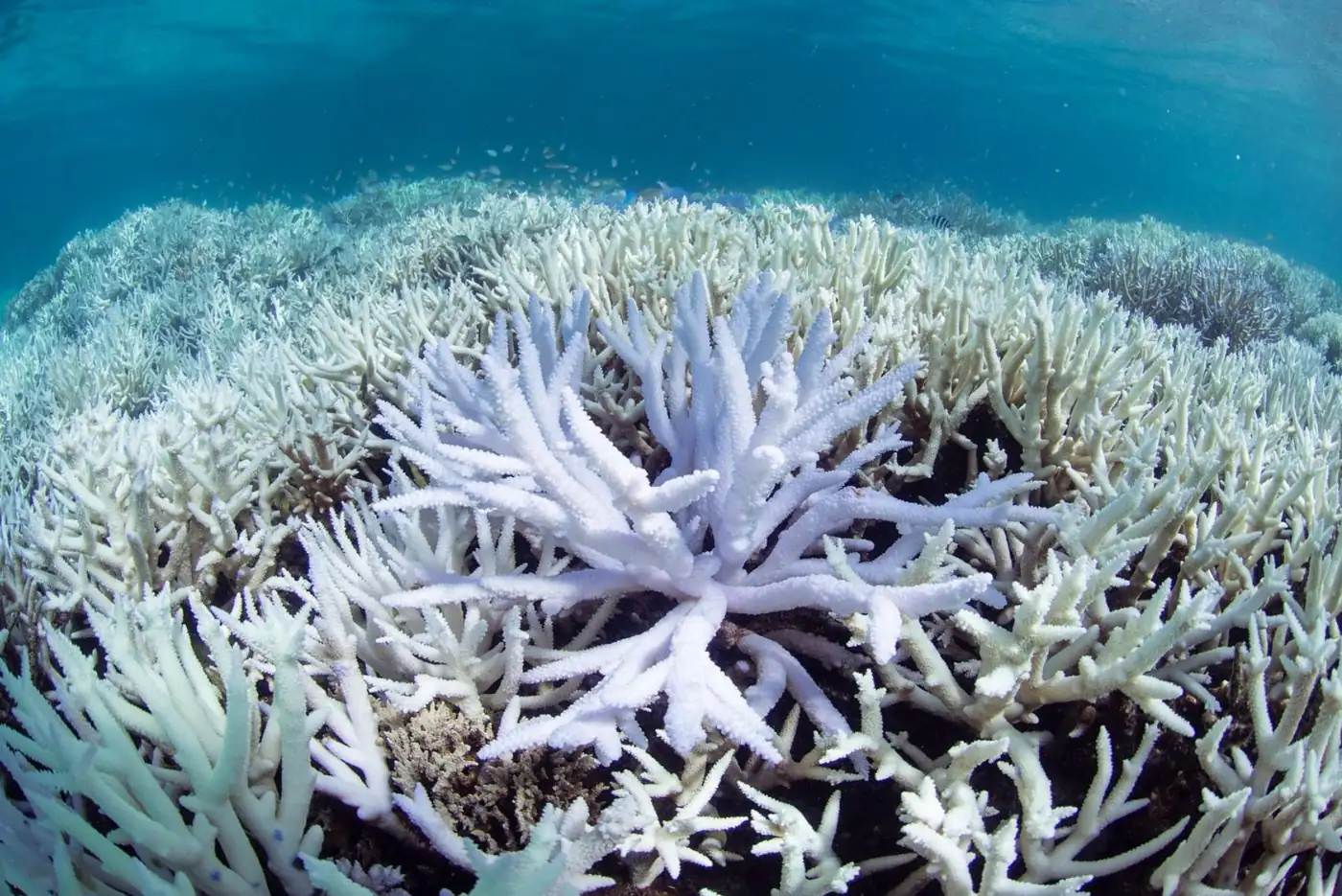
One of the really cool things about coming out on the reef is seeing how human impacts can affect it. You’ll learn how to spot signs of stress, like:
- Coral Bleaching
- Storm Damage
- Sediment Building Up
- Physical damage from anchors
- The scars from the Crown-of-thorns starfish
Once you’ve got a good eye for the signs of damage its amazing how much you start to see the reef in a different light. You begin to see the reef’s resilience and the damage it is sustaining. And that sort of awareness doesn’t just wash away with the tide.
For Families, Students and Anyone with a Curious Mind
Structured reef monitoring days are a great option for families with older children (usually 12+) who are confident in the water. It’s a great way to spend quality time together while learning about the reef and its amazing sea life.
I’ve seen teenagers leading species counts while their parents scribble away in their notebooks. I’ve watched groups of corporate professionals fumbling over fish identification charts and laughing about it over a cup of tea.
It’s a humbling, bonding, and educational experience without being preachy. Some people even extend their reef visit with a scenic flight to Whitehaven Beach to get a bird’s-eye view of the reef. And I have to say it’s a real eye opener – seeing the reef from above really gives you a greater understanding of just how amazing the reef really is.
What You’re Actually Getting For Your Money
Expect a realistic price in 2026 to be somewhere in the range:
- For a half-day snorkelling session on the reef: around $180-$250 AUD – that’s a fair price for a full day’s work in the water
- For a full day on the outer reefs doing some real monitoring, you’re looking at around $280-$420 AUD – this price reflects the marine biologist’s time, the gear, the training, and the reporting that goes into making this happen
Don’t just compare the price – compare what’s included
A standard tour price usually includes snorkelling, some decent food, and a friendly photographer to capture your memories. But a structured program like the one we’re discussing will provide knowledge transfer, data logging, and hands-on science work. Different goals, different values.
Taking It Further Than Just One Day
Some tour operators offer up a whole week of monitoring work for repeat volunteers or school groups, while others will set up repeat sessions for you if you want to keep building your skills.
You might start by doing a survey day on one reef, then follow it up with a Scenic flight over to another one and get a totally different view of the reef from up high – suddenly you’ll have a much better understanding of all the coral formations and sandbars you’ve swum along – it all starts to make sense.
Getting The Bigger Picture
You know, when you’re sitting there in the boat, logging all the reef sharks you see and working on your buoyancy so you don’t damage the coral and then having a team debrief at the end of the day, you start to get a real feel for the reef as a living ecosystem.
You start to see the impact that humans have on the place. You start to get some real skills that you can take with you to any reef in the world.
If all you really want is a nice buffet lunch and a cold drink on the boat, then that’s fine. But if you want to really get a feel for the reef, then you need to step up to a full-on reef monitoring day in 2026.
The reef doesn’t need more people just looking at it. It needs people who actually get what they’re looking at
And once you’ve had a go at helping out on a team in the sun, your whole attitude to coral will change – you won’t look at it the same way again
FAQ
Do I Need Any Science Experience?
No, you don’t have to be a scientist to join in – the marine biologist will explain what you’re doing and give you all the instructions you need. All you really need is to be curious and willing to follow some simple rules
Is This Safe For Average Swimmers?
You don’t have to be some sort of super swimmer to join in, though you do need to be comfortable in the water. We set the tasks according to your level of skill, so you can just relax and enjoy the experience
What Happens To The Data We Collect?
Everything we record goes into the monitoring systems and is used to help keep an eye on the reef’s health and make sure the management authorities are doing their job
Will There Be Any Good Food On The Boat?
Yeah, of course! Most of our full-day trips come with morning tea, a nice tropical buffet lunch and afternoon tea – we want to make sure you’re well fed and safe to be in the water
Can I Combine This With Other Reef Activities?
Absolutely – lots of people book their monitoring day through us and then add on other things like a dive or a scenic flight to round out their trip.