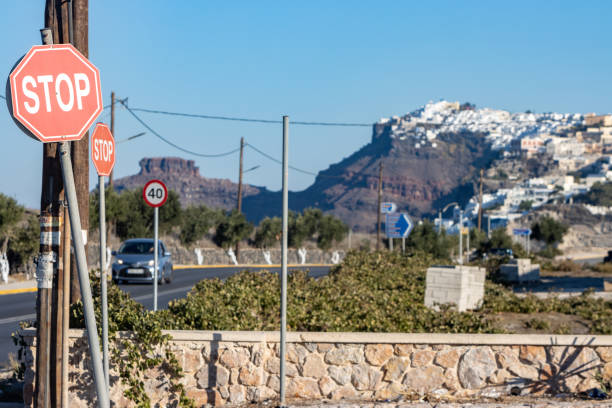
Greece, with its sun-kissed landscapes and meandering roads leading to historic landmarks, offers an inviting space for motorists. However, navigating Greek roads is an experience quite different from most countries, given its unique mix of urban congestion, picturesque countryside drives, and occasionally challenging terrains. The nation has a rich tapestry of road networks, from the bustling avenues of Athens to the serene byways of the islands. Despite this allure, the unique characteristics of Greek traffic culture can be surprising to many, especially for those from far-off lands. For instance, Greek drivers are known for their passionate driving style; a mix of rapid maneuvers, expressive horn use, and close following distances. While this might seem chaotic or aggressive to an outsider, it’s simply a reflection of the nation’s vibrant and dynamic culture.
The Significance for Russians
Now, let’s put ourselves in the shoes of a Russian traveler, eager to explore the Hellenic Republic. Why would understanding Greek traffic culture be crucial for them? The answer is twofold. Firstly, Russia and Greece, despite being European neighbors, have starkly different driving norms and regulations. This difference stems from their distinct histories, geographies, and urban designs. Secondly, as the number of Russian tourists in Greece has seen a substantial rise over the years, there’s an increased need to ensure that these visitors are well-prepared for the Greek roads. This not only guarantees their safety but also ensures a smoother integration with the local traffic.
- Major Factors for Russians to Consider:
- Contrasting driving habits: While Russians might be accustomed to the vast, straight roads of Siberia or the heavy Moscow traffic, Greek roads present a new set of challenges including winding lanes and hilly terrains.
- Weather conditions: Russian drivers, used to colder climates, might find Greek summer driving conditions to be a unique experience, with its intense sun and occasional dust storms.
- Communication barriers: Though many Greeks speak English, road signs and signals might be in Greek, requiring some prior familiarization.
In essence, while the thrill of driving in a new country is unmatched, it comes with its set of responsibilities. For Russians, this means diving deep into the specifics of Greek traffic rules, ensuring not just a memorable trip but a safe one too.
Driving on Greek Roads: A General Overview
Road Conditions
Greek roads can be a mixed bag for many international travelers, especially Russians used to more expansive and wider roadways. While major cities like Athens, Thessaloniki, and Patras have well-maintained roads and highways, some rural areas and islands can present a set of challenges with narrower and winding paths. It’s essential to remember that Greece’s vast historical and geographical landscape means that many roads have been built around natural landscapes, archaeological sites, and within tight urban confines. As such, there might be sudden twists and turns, unexpected slopes, or the occasional cobblestone street that can be slippery when wet. Additionally, the maintenance of roads in some rural regions might not be up to the standards you’d find in urban centers. Potholes, uneven surfaces, or lack of clear signage can be common, so a vigilant driving approach is recommended.
Major Highways and Routes
Greece boasts an extensive network of highways, especially connecting major cities and tourist hotspots. These highways, known locally as “Ethniki Odos,” are usually dual carriageways with multiple lanes in each direction. The speed limits here are generally higher than inner-city roads, allowing for a faster transit between destinations. One must note, however, that some of these highways have toll stations, so it’s advisable to keep some change handy or be familiar with electronic toll payment methods.
Here’s a brief table highlighting some major Greek highways and their notable features:
| Highway Name | Connecting Cities | Notable Features |
|---|---|---|
| A1 – PATHE | Athens to Thessaloniki | Longest highway in Greece, passes through several significant cities and regions. |
| A2 – Egnatia Odos | Igoumenitsa to Kipoi | Cutting across Northern Greece, it’s crucial for travel between west to east. |
| A8 | Athens to Patras | Provides a direct route to the Peloponnese region. |
Driving in Greek cities is an experience in itself. With a mix of modern avenues and ancient pathways, navigating requires a balance of patience and vigilance. Cities like Athens are often bustling, with motorcycles zipping by, pedestrians crossing, and buses maneuvering through tight spaces. On-street parking is prevalent, so be prepared for vehicles parked on either side of narrow roads.
Contrast this with the tranquility of the Greek countryside. While city roads are about hustle and bustle, rural routes offer scenic beauty with the Mediterranean Sea on one side and mountains on the other. Here, the challenges are different. One might encounter livestock crossing roads, tractors moving at a leisurely pace, or local buses stopping frequently. Moreover, the absence of street lights in some areas requires drivers to be particularly cautious during nighttime.
Whether it’s the vibrant city streets or the calm countryside lanes, driving in Greece offers an experience like no other. For Russians, understanding these nuances becomes essential to truly enjoy what this Mediterranean paradise has to offer on the road.
Key Differences for Russian Drivers
Right versus left-hand driving
One of the most prominent differences that Russian drivers will notice upon their arrival in Greece is the side of the road they’ll be driving on. Unlike some countries in the world, both Russia and Greece drive on the right-hand side. While this might seem like a relief, there are subtle nuances to be aware of:
- Roundabouts: In Greece, traffic in roundabouts yields to vehicles coming from the left. This is especially crucial to remember when navigating larger cities or tourist areas where roundabouts are common.
- Overtaking: Just like in Russia, overtaking in Greece is typically done on the left side. However, given the winding nature of many Greek roads, extra caution is needed. Always ensure there’s a clear line of sight and no oncoming traffic before attempting to overtake.
Speed limits and zones
The speed limits in Greece can vary significantly depending on the type of road and the area. Here’s what Russian drivers should keep in mind:
- Urban Areas: In populated areas and cities, the speed limit is generally set at 50 km/h. However, near schools or pedestrian zones, it can drop down to as low as 30 km/h. It’s essential to keep an eye out for signposts indicating these changes.
- Open Roads: On open roads outside urban zones, the limit usually rises to 90 km/h. However, given the terrain and potential hazards, drivers are encouraged to adjust their speed according to the road conditions.
- Highways: For highways or “Ethniki Odos,” the speed can go up to 120 km/h. Still, specific sections, especially those under construction or near exits, may have lower limits.

Essential Traffic Rules to Remember
Seat belts and safety measures
Safety first! Both Greece and Russia prioritize the safety of drivers and passengers, but it’s always good to refresh on the specifics:
- Seat Belts: In Greece, it’s mandatory for both the driver and all passengers to wear seat belts. This rule applies to both the front and back seats. Failure to comply can result in hefty fines.
- Child Safety: Children under the age of 10 are not allowed to sit in the front seat. Additionally, appropriate child restraint systems are mandatory for kids depending on their age and size.
DUI limits and penalties
Driving under the influence of alcohol is a grave offense in Greece, just as it is in Russia. However, the permissible limits and penalties might differ:
- Alcohol Limit: In Greece, the legal limit for alcohol in the bloodstream for drivers is 0.05 grams per deciliter. For new drivers (those who’ve held a license for less than two years) and professional drivers, this limit is even lower at 0.02 grams per deciliter.
- Penalties: Being caught over the limit can result in fines, license suspension, and even imprisonment, depending on the severity of the offense. It’s always advisable to avoid drinking and driving altogether.
Always remember: While it’s wonderful to enjoy Greece’s culinary delights and beverages, ensure you have a sober ride back. Your safety and that of others on the road is paramount.
Traffic conditions in major cities
Greek urban centers, especially the historic ones, are a juxtaposition of ancient charm and modern hustle. The streets are often narrow, and parking spaces are at a premium. Athens, Thessaloniki, and Heraklion are some of the busiest cities where traffic jams, especially during peak hours, are the norm.
To put things into perspective, here’s a table comparing the traffic conditions of major Greek cities:
| City | Peak Traffic Hours | Common Challenges | Suggested Solutions |
|---|---|---|---|
| Athens | 7:30am – 9:30am & 5pm – 7:30pm | Narrow lanes, limited parking, frequent gridlocks. | Use public transport during peak hours, familiarize oneself with paid parking zones. |
| Thessaloniki | 8am – 10am & 6pm – 8pm | Congestion near the city center, restricted zones. | Opt for city outskirts for parking, consider walking or cycling within the city center. |
| Heraklion | 8am – 9:30am & 5:30pm – 7pm | Busy ports, narrow streets, limited signage. | Use navigational apps, avoid driving near the port during ferry arrival/departure times. |
Exploring the scenic routes
While city driving has its challenges, the Greek countryside offers a serene escape. The coastal roads give breathtaking views of the Aegean and Ionian Seas, while the mountainous regions, particularly in the Peloponnese and Thessaly, are a delight for those seeking an adventurous drive.
However, rural drives come with their own set of considerations:
- Winding Roads: The beauty of the hilly terrains means roads often wind around mountains. Hairpin turns and narrow lanes require careful driving and occasional use of the horn to signal your presence around blind curves.
- Animal Crossings: It’s not uncommon to find sheep or goats crossing the roads, especially in regions like Crete. A patient approach is suggested, treating it as part of the authentic Greek experience.
A blend of caution and adventure is key. Whether it’s the vibrant atmosphere of the cities or the calm of the countryside, driving in Greece is an experience worth cherishing.
** Vehicle Rental Tips for Russians in Greece**
Choosing the Right Vehicle
Choosing the appropriate vehicle is a blend of understanding one’s preferences and the nature of the journey. Greece’s diverse landscape means that while a convertible might be excellent for a sun-soaked coastal drive, it’s not the ideal choice for a mountainous trek. Sedans and hatchbacks are generally suitable for city drives, offering the agility needed to navigate tight spots and ensuring parking is not too cumbersome.
On the other hand, for those planning to explore off-the-beaten-track destinations or the rugged terrains of Crete and the Peloponnese, an SUV might be more fitting. Not only do they offer better ground clearance, but they’re also capable of handling the occasional rough patch or gravel road. Lastly, for large groups or families, considering minivans or larger cars ensures that everyone travels comfortably without compromising on luggage space.
Insurance and Paperwork
When renting a vehicle in Greece, the importance of understanding the insurance options cannot be stressed enough. Most rental agencies will offer basic insurance, which covers third-party liability. However, considering comprehensive coverage is wise, as it provides peace of mind against potential damages or theft.
Russians should always ensure that they have an International Driving Permit (IDP) alongside their regular driving license when renting a vehicle in Greece. Most agencies require these documents. Additionally, keeping a credit card handy is advisable, as many car rental services prefer this mode for security deposits. Always read the fine print and be clear on the terms of the rental, especially concerning mileage limits, fuel policies, and return locations.
Concluding Thoughts: Driving in Greece for Russians
As a nation steeped in history and surrounded by unmatched natural beauty, Greece offers a unique driving experience. From the buzzing streets of Athens to the serene coastal roads of the Cyclades, every kilometer unraveled is a story waiting to be discovered. For Russians, while there are commonalities in road etiquette and regulations with their homeland, understanding the local nuances ensures a safer and more enjoyable journey.
The mingling of ancient architecture, warm-hearted locals, tantalizing cuisine, and the deep blue Mediterranean ensures that every journey, whether by foot or behind the wheel, remains etched in memory. Armed with knowledge, understanding, and a sense of adventure, the road through Greece is one that promises delight at every turn.
FAQs
- Do Russians need an International Driving Permit (IDP) to drive in Greece?
Yes, alongside their regular driving license, an IDP is recommended for Russians driving in Greece. - Is it safe to drive at night in the Greek countryside?
While the countryside is generally safe, caution is advised due to the lack of street lighting in certain areas and potential animal crossings. - How strict are DUI laws in Greece?
Very strict. Greece has stringent DUI laws, with low permissible alcohol limits in the bloodstream. Violations can result in heavy fines, license suspensions, or even imprisonment. - Are GPS and navigation apps reliable for navigating Greece?
Yes, most modern GPS systems and navigation apps like Google Maps or Waze provide accurate directions for Greece. However, always cross-reference with local signs or ask locals when uncertain. - Can one rent a car in one Greek city and return it in another?
Yes, many international car rental agencies offer this service, known as a “one-way rental.” However, it’s essential to confirm this while booking and be aware that there might be additional fees.