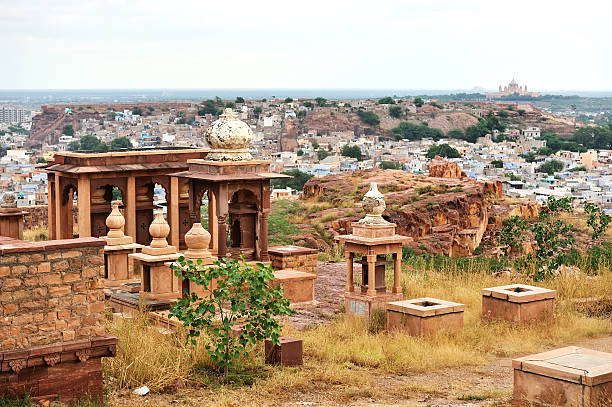
Varanasi, often referred to as Banaras or Kashi, isn’t just another city in India. It’s a mystic experience, an embrace of history, and a testimony to the spiritual journey of countless souls. Located on the banks of the sacred River Ganges, Varanasi stands as the spiritual heart of India, drawing pilgrims and tourists alike from all corners of the globe.
Have you ever stood on the banks of a river and felt the weight of ages past brush against your skin? That’s the sensation many describe when they first set foot in Varanasi. The city’s age-old ghats, temples, and narrow labyrinthine alleys speak of timelessness, echoing tales of devotion, redemption, and the eternal cycle of life and death.
Why is this city so special, you ask? Here’s a snapshot:
- Spiritual Nexus: Varanasi is the holiest of the seven sacred cities in Hinduism and Jainism. It is believed that death in Varanasi brings salvation, releasing the soul from the cycle of rebirths.
- Historical Significance: Its history dates back to over 3,000 years, making it one of the oldest continuously inhabited cities in the world.
- Cultural Hub: Varanasi has been a cultural and religious center for centuries. Renowned Indian philosophers, poets, writers, and musicians have called this city their home, contributing to its rich tapestry of art, music, and literature.
- Architectural Marvel: The city boasts an array of temples, ashrams, and palaces, each more ornate and awe-inspiring than the last.
Why is Varanasi often referred to as the “City of the Dead”? The term may sound somber, but the city’s relationship with death is quite unlike any other. Death isn’t feared or shunned here; it’s embraced as a natural, even celebrated, part of life. This ethos is deeply ingrained in the city’s traditions and rituals, creating a unique blend of reverence, mysticism, and spirituality.
The Allure of Varanasi for Travelers
Varanasi is not just a pilgrimage point; it’s a traveler’s dream. The magnetic allure of this ancient city is hard to resist, and it isn’t just about spirituality or religion. It’s about the blend of history, culture, and life that unfolds at every corner. Whether you’re watching the sunrise over the River Ganges, observing the rituals on the ghats, or simply wandering through the labyrinth of alleys, every experience in Varanasi is profound and unique.
The Ganga Aarti Experience
Imagine the evening sky, painted with hues of red and orange as the sun sets, and the River Ganges, flowing serenely, reflecting the last light. As darkness begins to settle, a ritual starts on the Dashashwamedh Ghat, one of the most famous ghats of Varanasi. This ritual, known as the Ganga Aarti, is a spectacle to behold.
Priests in traditional attire, holding large brass lamps with multiple tiers, perform the aarti, synchronizing their movements to the rhythmic chants and the beat of the drums. The sound of bells, the fragrance of incense, and the sight of countless diyas (small lamps) floating on the river make this a mesmerizing experience.
Wandering Through the Ghats
The ghats in Varanasi are the city’s lifeline. They see a myriad of activities throughout the day – from the early morning rituals and yoga practices to evening prayers and casual chitchat among locals. Walking along these steps leading to the Ganges is like flipping through pages of an open book that narrates daily life in Varanasi.
Sampling the Street Food
A journey to Varanasi would be incomplete without indulging in its mouth-watering street food. The city offers a gastronomic adventure that’s hard to match.
| Street Food Item | Description |
|---|---|
| Kachori Sabzi | Spicy potato curry served with deep-fried puffed bread. |
| Jalebi | Spiral-shaped sweet, deep-fried and soaked in sugar syrup. |
| Tamatar Chaat | Spicy tomato-based dish, garnished with various spices and served on crisp bread. |
| Malaiyyo | A frothy dairy delicacy, flavored with cardamom and saffron. |
It’s not just the taste, but the whole experience of standing by a roadside stall, watching vendors skillfully prepare these delicacies, and then savoring them amid the hustle and bustle that makes it so special.
Varanasi has always been more than just a destination; it’s an experience. A trip here isn’t just about sightseeing but immersing oneself in a rich tapestry of emotions, rituals, and traditions. Whether you’re a soul searcher, a culture enthusiast, or a culinary adventurer, Varanasi has something to offer to everyone. So, when are you booking your ticket to this timeless city?
The Legend and History of Varanasi
Varanasi has been a confluence of cultures, beliefs, and legends for millennia. Its roots dig deep into the soils of history, making it one of the world’s oldest inhabited cities. Such longevity begets stories, myths, and legends that add layers to its allure.
Origin Myths
Varanasi, also known as Kashi, is believed to have been founded by none other than Lord Shiva, one of the principal deities in the Hindu pantheon. The mythology narrates:
- Shiva’s Abode: Lord Shiva, along with his consort Parvati, is said to have chosen Varanasi as their abode after their marriage. It is believed that the city’s spiritual essence emanates from this divine association.
- Cosmic Center: Legend has it that Varanasi is situated atop the trident of Lord Shiva, making it the spiritual center or the ‘Cosmic Axis’ of the world. This central position is believed to connect the material and spiritual realms, granting the city its unmatched spiritual power.
Key Historical Events
The city’s historicity isn’t just confined to myths and legends. Concrete historical events have shaped its fabric over the centuries:
- Seat of Knowledge: Varanasi was a prominent center of learning and culture in ancient India. It was home to the renowned Taxila University, which attracted scholars from far and wide.
- Invasions and Resilience: Over the centuries, Varanasi faced numerous invasions, each trying to overwrite its cultural tapestry. From Mughal emperors to British colonists, many tried to suppress its spiritual essence, but the city always emerged resilient, preserving its identity.
While the myths add a touch of mystique, the historical events showcase Varanasi’s indomitable spirit. Both together weave a narrative that is as fascinating as time itself.
Practical Guide: Reaching Varanasi
Ready to take the plunge and experience Varanasi’s magic firsthand? Let’s guide you through the practicalities of reaching this ancient city.
By Air
Varanasi is well connected by air, with its Lal Bahadur Shastri Airport welcoming flights from major Indian cities and some international destinations. Major airlines operating here include Air India, IndiGo, and SpiceJet. From the airport, the city center is about an hour’s drive away.
By Train
The Indian Railways offers a vast network connecting Varanasi to various parts of the country. The Varanasi Junction (often referred to as Varanasi Cantt) is the main railway station:
- Rajdhani Express: This premium train connects Varanasi with India’s capital, New Delhi. It offers a comfortable journey with onboard meals.
- Vibhuti Express: Connecting Varanasi with Kolkata, this train is another popular option for travelers coming from the eastern part of India.
By Road
Varanasi boasts a decent road network, making it accessible by bus or car. The National Highway 2, one of India’s major highways, passes through the city, linking it with cities like Allahabad, Kolkata, and Delhi.
No matter how you choose to get there, the journey to Varanasi is bound to be as enriching as the destination itself. So, pack your bags, set your intentions, and embark on an unforgettable sojourn to the heart of India’s spiritual realm.
Varanasi: The Spiritual Sojourn’s Impact
When you depart from Varanasi, it’s common to leave a piece of your heart behind. The spiritual impact of the city on its visitors can be profound and transformative. The constant dance of life and death on the ghats, the ethereal chants that seem to permeate every corner, and the depth of human connection one feels, it’s all unparalleled.
Every ritual, every narrow alley, every face tells a story, not just about the city, but about existence itself. How often do we pause to reflect on the impermanence of life, the cycles of birth and death, and the deeper meaning of our existence? Varanasi provides a backdrop that encourages this introspection. You may arrive as a tourist, but you leave with a perspective that’s much larger than yourself.
In the age of instant gratification, where life is often lived at a breakneck pace, Varanasi serves as a reminder to slow down. It’s a reminder that spirituality isn’t about grand gestures, but about finding meaning in the mundane, seeking beauty in decay, and understanding that life, with all its ebbs and flows, is a gift.
Your experiences in Varanasi may vary, but one thing is consistent: the city teaches you. It might teach you patience as you navigate its bustling streets, it might teach you gratitude as you witness the simpler joys of its inhabitants, or it might teach you acceptance as you observe the rituals surrounding death. But above all, it teaches you about the human spirit’s resilience, beauty, and eternal quest for understanding.
FAQs
- Why is Varanasi considered one of the holiest cities in India?
- Varanasi is believed to be the abode of Lord Shiva and is considered the spiritual heart of India. The belief that dying in Varanasi can grant moksha (liberation from the cycle of rebirth) also adds to its sanctity.
- What is the best time to visit Varanasi?
- The best time to visit Varanasi is during the cooler months between October and March. The weather is pleasant, making it conducive to explore the city and participate in outdoor activities.
- How safe is Varanasi for tourists?
- Varanasi is generally safe for tourists. However, like any other tourist destination, it’s advisable to be cautious, avoid isolated areas after dark, and always keep personal belongings secure.
- Can I participate in the rituals on the ghats?
- Yes, many rituals on the ghats are open for tourists to observe or even participate in. However, always approach with respect and seek permission when necessary.
- Are there any local customs I should be aware of?
- It’s advisable to dress modestly, especially when visiting religious sites. Always remove your shoes before entering temples. When witnessing rituals, especially those related to death on the ghats, maintain a respectful distance and avoid taking photographs without permission.